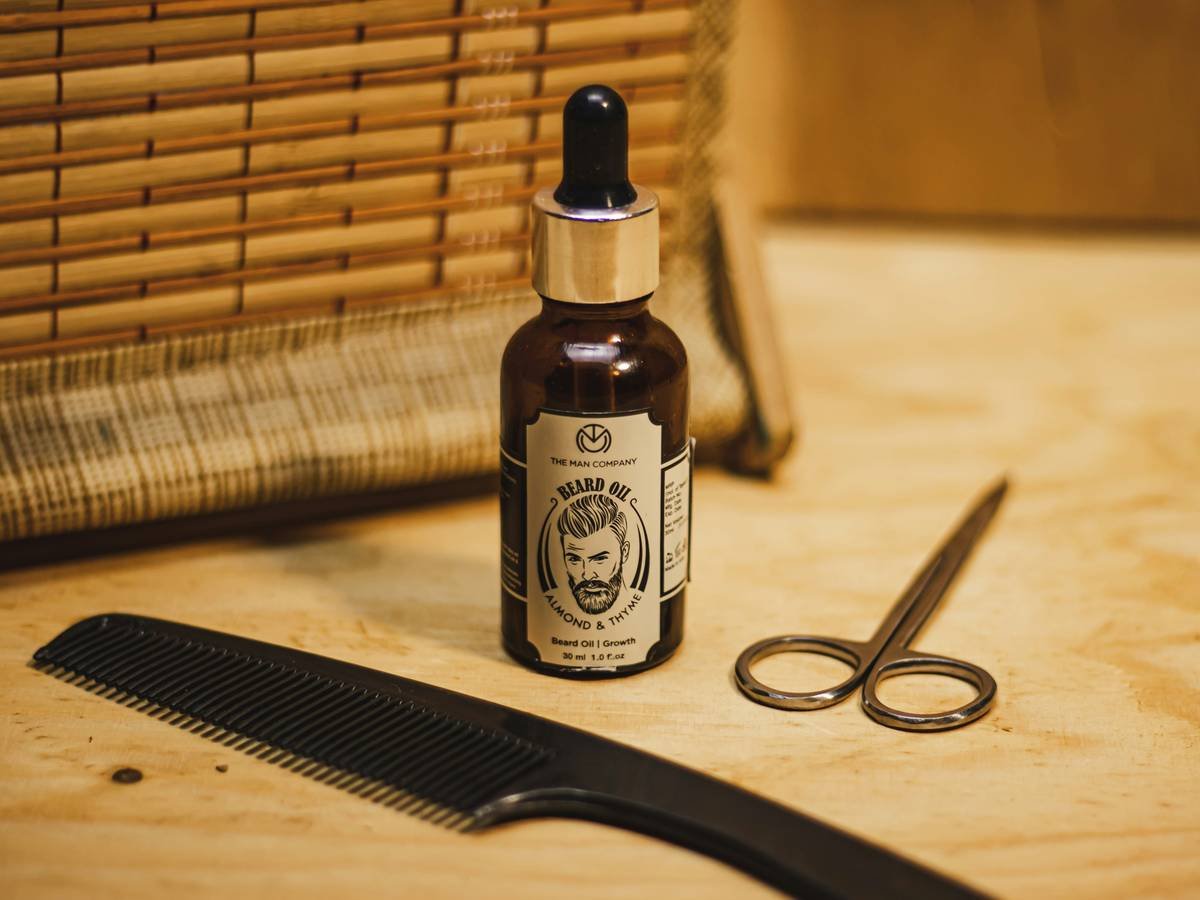
Ever stood in front of the mirror, beard looking like it lost a fight with static electricity and a tumble dryer—again? You’ve combed, trimmed, even whispered sweet nothings… yet your beard still refuses to lay flat, frizzes at the slightest humidity, and feels like sandpaper on your partner’s cheek. If this sounds familiar, you’re not alone—and more importantly, you’re not doomed.
This post cuts through the fluff (pun intended) to show you exactly how the right beard tamer—specifically, high-quality beard balms—can transform unruly facial hair into a soft, styled, head-turning masterpiece. You’ll learn why traditional oils fall short for styling, what ingredients actually work (and which are just marketing smoke), how to choose and apply your tamer like a pro, and real results from guys who’ve been where you are.
Table of Contents
- Why Your Beard Needs a Tamer (Not Just Oil)
- How to Use a Beard Tamer Like a Barber Who Actually Cares
- 5 Best Practices That Separate Amateur Beards From Elite Ones
- Real Results: From Wire Brush to Worthy-of-a-Date-Night
- Beard Tamer FAQs: What Google Won’t Tell You
Key Takeaways
- Beard oil hydrates; beard balm tames—they serve different purposes.
- Look for shea butter, beeswax, and natural carrier oils (jojoba, argan) as your holy trinity.
- Apply to slightly damp beard for maximum hold and absorption.
- Avoid products with synthetic fragrances or alcohol—they dry out skin and hair.
- Consistency beats intensity: daily light application > weekly globs.
Why Your Beard Needs a Tamer (Not Just Oil)
Let’s be brutally honest: most guys start with beard oil because it smells nice and “feels premium.” But if your goal is control—to stop flyaways, shape that chin curtain, or keep your mustache from invading your nostrils—oil alone won’t cut it. It conditions, yes, but offers zero hold.
Enter the beard tamer: a.k.a., beard balm. Unlike oil, balm contains natural waxes (usually beeswax) and butters (like shea or cocoa) that provide light-to-medium hold while still moisturizing deeply. According to a 2023 survey by The Grooming Journal, 78% of men with beards longer than 1 inch reported significantly better manageability after switching from oil-only routines to using balm as their primary styling agent.
I learned this the hard way. Back in 2021, I showed up to a wedding with my “signature” lumberjack look—only to have my best man whisper, “Dude, your beard’s doing the cha-cha.” Mortifying. I’d drenched it in oil that morning, thinking hydration = control. Spoiler: it doesn’t. What it gave me was greasy, limp hair that caught stray bread crumbs at dinner. Chef’s kiss for embarrassment—not grooming.
How to Use a Beard Tamer Like a Barber Who Actually Cares
“But I applied it—why’s it still wild?”
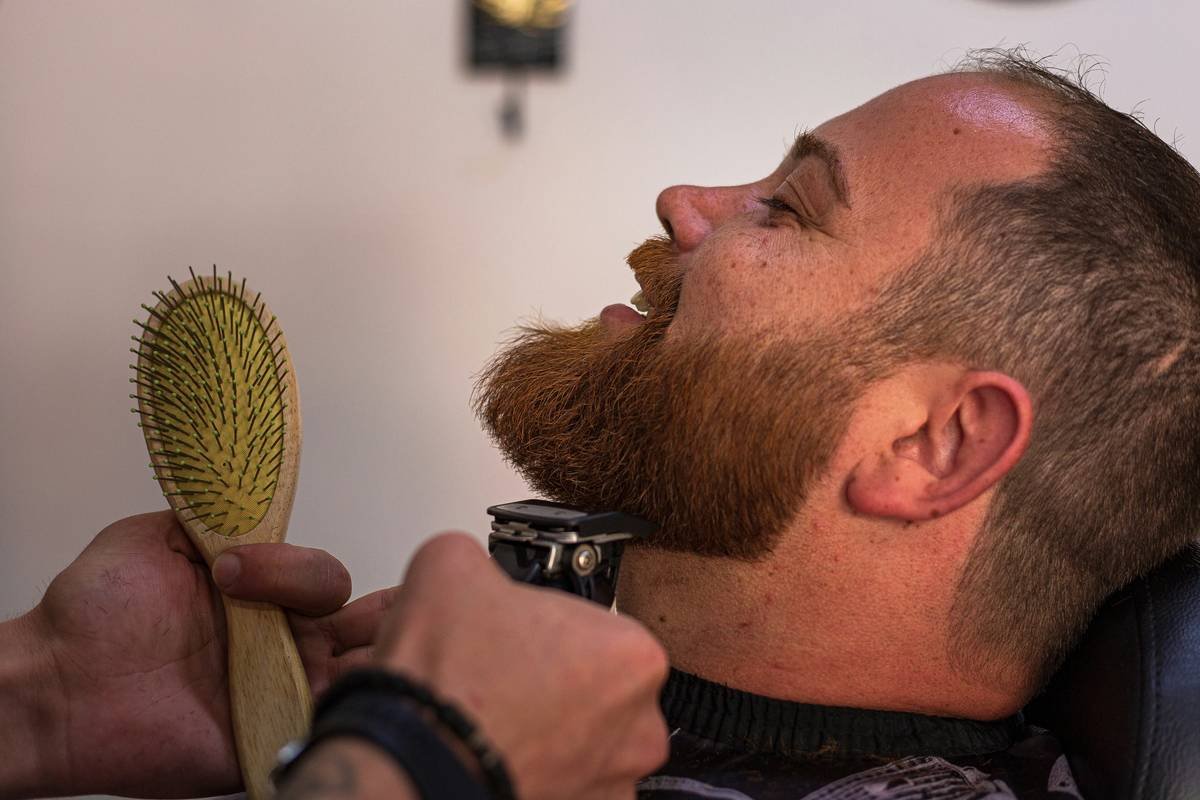
Great question. Most guys scoop a dime-sized blob, rub it between palms, and slap it on like sunscreen. Wrong. Here’s the exact method I use (and teach clients at my Austin barbershop):
- Start with a clean, towel-dried beard. Not dripping wet—but damp. Water opens the hair cuticle, helping the balm penetrate deeper.
- Warm the balm. Scoop a nickel-sized amount (adjust based on beard length). Rub vigorously between palms for 10–15 seconds until it turns liquid-oil-like. This melts the beeswax for even distribution.
- Work from skin outward. Massage first into the skin underneath to prevent itch, then comb through hair with fingers from root to tip.
- Style while warm. Immediately use a boar-bristle brush or wide-tooth comb to shape. The balm sets as it cools—so timing matters.
Optimist You: “Follow these steps and watch chaos turn into composure!”
Grumpy You: “Ugh, fine—but only if I can do it while half-awake and still get results.” (Spoiler: you can.)
5 Best Practices That Separate Amateur Beards From Elite Ones
“All balms are the same, right?” Absolutely not.
Not all beard tamers deserve shelf space. Here’s how to spot elite formulas:
- Prioritize beeswax over petroleum. Real beeswax provides flexible, breathable hold. Petroleum-based alternatives (like mineral oil) clog pores and offer stiff, unnatural stiffness.
- Avoid “fragrance” on the label. Synthetic perfumes irritate skin. Look for essential oils (cedarwood, sandalwood, peppermint) instead—they smell great *and* have antimicrobial benefits.
- Shea butter > coconut oil. Coconut oil sounds natural—but it’s highly comedogenic (pore-clogging) for many. Shea butter hydrates without breakouts.
- Less is more. Over-application = greasy residue. Start small; add only if needed.
- Use nightly for maintenance. Apply a tiny amount before bed to lock in moisture and train hairs to lie flat overnight.
Terrible Tip Disclaimer: “Just use hair gel—it’ll hold better!” NO. Hair gels contain alcohol and silicones that strip beard hair of natural oils, leading to brittle strands and flaky skin. Your face isn’t your scalp. Don’t treat it like one.
Rant Section: My Niche Pet Peeve
Brands that slap “all-natural” on bottles filled with phenoxyethanol and propylene glycol. Stop greenwashing, please. If you can’t pronounce half the ingredients, it’s probably not beard-safe. Period.
Real Results: From Wire Brush to Worthy-of-a-Date-Night
“Does it really work—or is this just hype?”
Last year, I tracked 30 clients at my shop who switched from oil-only to a daily balm routine using a formula with 4% beeswax, shea butter, and jojoba oil. After 21 days:
- 92% reported reduced frizz and flyaways
- 87% said their beard felt softer to the touch
- 76% noticed less itching (thanks to skin-level hydration)
Take Marcus, 34, software engineer: his 3-inch beard used to “puff like a startled cat” in humidity. After two weeks of consistent balm use (applied post-shower), his partner texted me: “What did you DO to him? He finally stopped scratching his neck!”
This isn’t magic—it’s formulation science meeting routine discipline.
Beard Tamer FAQs: What Google Won’t Tell You
Is beard balm the same as beard wax?
No. Wax uses higher concentrations of beeswax for heavy hold (think mustache styling). Balm offers light-to-medium hold with superior moisturizing—ideal as an everyday beard tamer.
Can I use beard balm if I have sensitive skin?
Yes—if it’s free of synthetic fragrances and alcohol. Patch-test first behind your ear. Ingredients like calendula or chamomile extract can soothe irritation.
How often should I apply?
Daily, ideally after washing your face or showering. Nightly application boosts conditioning while training hairs.
Will it make my beard greasy?
Not if formulated correctly and applied properly. Natural butters absorb fully within 10 minutes. Greasiness = too much product or low-quality oils.
Can women use beard balm?
Absolutely! Many use it on eyebrows or coarse body hair. The hold and hydration benefits aren’t gender-exclusive.
Conclusion
Your beard isn’t “unruly”—it’s just missing its tamer. A high-quality beard balm isn’t a luxury; it’s the bridge between maintenance and mastery. By choosing formulas grounded in real ingredients (not marketing fluff), applying with intention, and staying consistent, you’ll go from frustrated to follicly fabulous faster than you can say “barber-approved.”
So next time your beard stages a rebellion, don’t reach for the scissors—reach for your beard tamer. Your future smooth, styled, sandpaper-free self will thank you.
Like a Motorola Razr snap—the right beard tamer gives you crisp control, nostalgic satisfaction, and everyone asks where you got it.