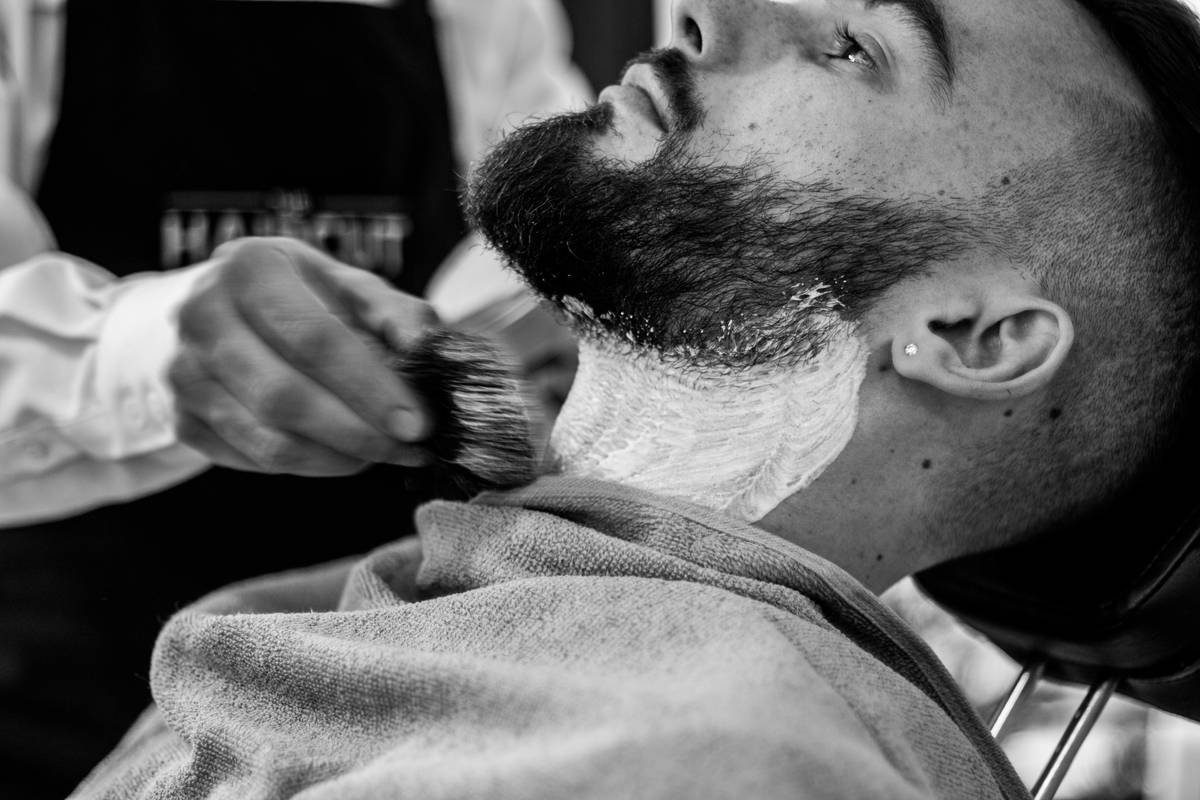
You’ve washed, trimmed, and oiled. Maybe even tried that $40 “premium” serum. But your beard? Still frizzy, untamed, and doing its own thing in humid weather or winter dryness. Here’s the problem: most products just sit on top—they don’t condition where it matters. The solution isn’t more products. It’s smarter chemistry. A targeted beard balm for frizzy hair that seals moisture while taming chaos from root to tip.
The Real Reason Your Beard Stays Frizzy (Hint: It’s Not Just Dryness)
Frizz isn’t always about lack of oil. Often, it’s structural damage—cuticle lifting from harsh shampoos, wind exposure, or even over-brushing. Water rushes into those gaps, swelling the hair shaft. Result? Puffiness that no amount of coconut oil can calm. And many balms? They’re little more than waxy pomades masquerading as conditioners—smoothing temporarily but suffocating follicles long-term.
Beard hair is coarser than scalp hair. Its curl pattern traps humidity differently. So slapping on a generic moisturizer won’t cut it. You need emollients that penetrate—not just coat—and humectants that pull moisture inward without triggering puff.
How to Tame Frizz Without Sacrificing Texture or Health
Forget the 10-step routines. Real control comes from three moves—applied consistently, with the right formula.
Pick Ingredients That Actually Work on Coarse, Curly Hair
Shea butter alone? Too heavy—it sits. Jojoba oil mimics natural sebum, yes—but lacks hold. The sweet spot: a blend of mango butter (light yet reparative), argan oil (penetrates without greasiness), and beeswax (just enough for definition, not stiffness). Avoid mineral oil or silicones—they clog pores over time.
Apply on Damp—Not Wet—Hair
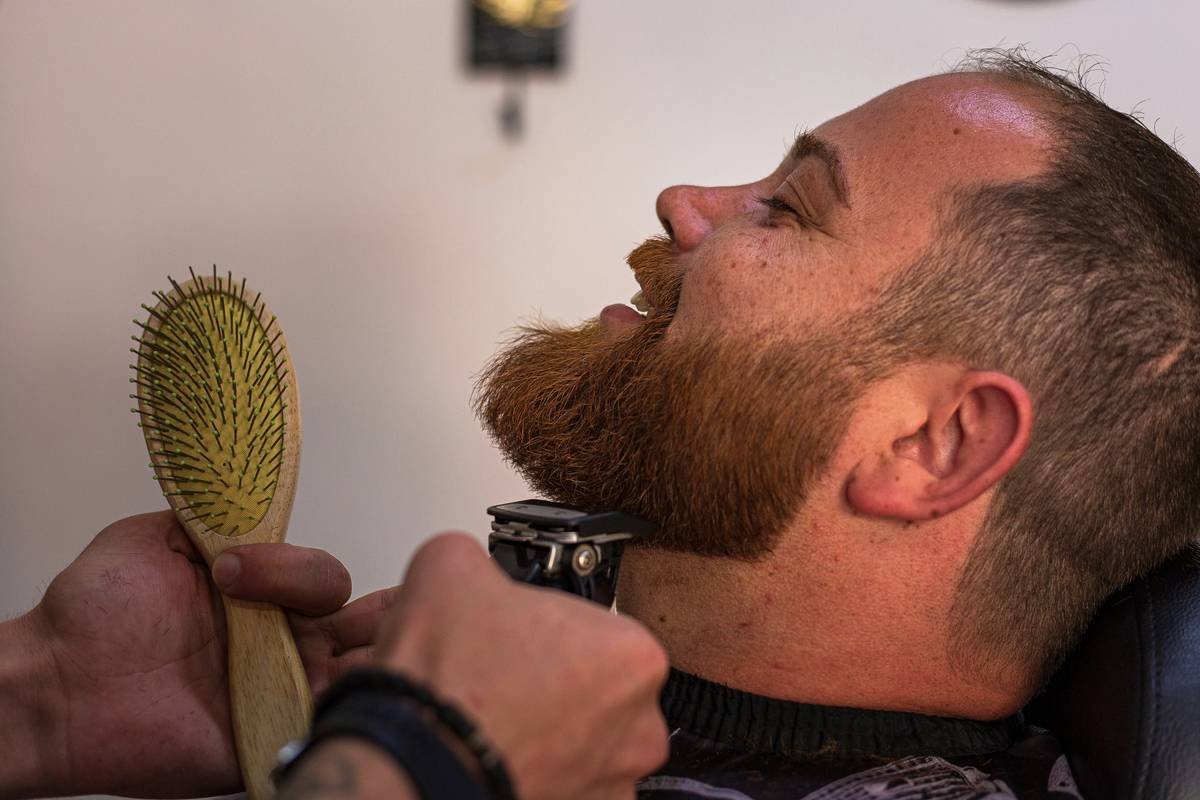
Dry hair repels product. Sopping wet hair dilutes it. Pat your beard dry post-shower until it’s about 70% damp. Warm a pea-sized amount between palms, then work upward from the neck toward the chin. This aligns hairs against their natural grain, smoothing cuticles as you go.
Lock In With Cold Air (Yes, Really)
After applying balm, blast your beard with cool air from a blow dryer for 15 seconds. It sets the wax matrix without heat damage. Think of it like setting gel—but gentler. Skip this, and humidity will undo your work by noon.
| Method | Frizz Control Duration | Scalp/Beard Health Impact | Cost per Month |
|---|---|---|---|
| DIY Coconut Oil + Beeswax Mix | 2–4 hours | Moderate—can clog follicles if overused | $3–$5 |
| Commercial Pomade (Silicone-Based) | 6–8 hours | Poor—builds residue, disrupts oil balance | $8–$12 |
| Targeted Beard Balm for Frizzy Hair (Natural Emollient Blend) | 12+ hours | Excellent—conditions while defining | $10–$15 |
The Industry Secret No Brand Wants You to Know
Most “beard balms” are repackaged mustache waxes with extra oil. The real differentiator? Molecular weight of the fatty acids used. Lightweight esters like caprylic/capric triglyceride (from coconut) penetrate faster than plain shea. But brands rarely list them—they sound “chemical,” even though they’re naturally derived and far more effective. And here’s the kicker: a balm that works in Arizona’s desert may fail in Miami’s humidity. Formulas should adapt to climate—but few do. That’s why rotating your balm seasonally beats chasing one “miracle” jar.
Frequently Asked Questions
Can beard balm actually reduce frizz long-term?
Yes—if it contains conditioning agents like panthenol or hydrolyzed wheat protein. These repair micro-damage over weeks, reducing future frizz triggers.
How often should I use beard balm for frizzy hair?
Daily for maintenance. Apply after showering when hair is damp. Overuse (multiple times/day) can lead to buildup—once is enough.
Is beard balm better than oil for frizz?
For definition and all-day hold, yes. Oil hydrates but doesn’t tame. Balm combines hydration with light styling—ideal for coarse, curly beards prone to frizz.