Ever spent 20 minutes trying to shape your beard, only to end up with a patchy neckline and hairs sticking out like you wrestled a porcupine? Yeah. Me too. And guess what the culprit usually is? Not your technique. Not your beard balm. Your beard trimming comb.
If you’re serious about beard care—whether you’re rocking a full Viking mane or a tight boxed goatee—you need more than just oil and balms. You need precision. And precision starts with the right beard trimming comb. In this post, I’ll break down why most guys pick the wrong one, how to choose a comb that actually works with your hair type and style goals, and the critical mistakes even seasoned beard-wearers make. You’ll learn:
- How material, tooth spacing, and length impact grooming results
- Why using a cheap plastic comb can damage beard follicles
- The exact technique pros use to pair combs with balms for flawless shaping
- Real-world examples from barbers and beard champions
Table of Contents
- The Beard Comb Crisis: Why Most Guys Get It Wrong
- How to Choose the Right Beard Trimming Comb (Step by Step)
- Pro Tips: Using Your Comb with Beard Balms Like a Barber
- Real Results: Case Studies from Barbers & Competitors
- FAQs About Beard Trimming Combs
Key Takeaways
- Not all beard trimming combs are created equal—material and tooth design affect performance drastically.
- Fine-tooth combs cause split ends on coarse beards; wide-tooth combs slip through fine hair.
- Use your beard trimming comb after applying beard balm for optimal control and definition.
- Anti-static, hand-polished combs reduce breakage and improve styling accuracy by up to 40% (based on barber surveys).
- Avoid “one-size-fits-all” travel kits—they often include poorly calibrated combs that ruin your lineups.
The Beard Comb Crisis: Why Most Guys Get It Wrong
Let’s get real: most men treat their beard trimming comb like an afterthought. It’s the freebie in a $12 “luxury” grooming kit or the bent plastic relic buried under loose change in their bathroom drawer. But here’s the brutal truth—if your comb isn’t designed for beard hair, you’re fighting physics.
Beard hair is thicker, coarser, and curlier than scalp hair. On average, beard strands measure 60–90 microns in diameter—compared to 50–70 for head hair (Journal of Investigative Dermatology). Standard combs (especially cheap injection-molded plastic ones) have jagged edges that snag, tug, and split these robust fibers. Over time, this leads to brittle ends, uneven growth appearance, and painful tugging during routine maintenance.
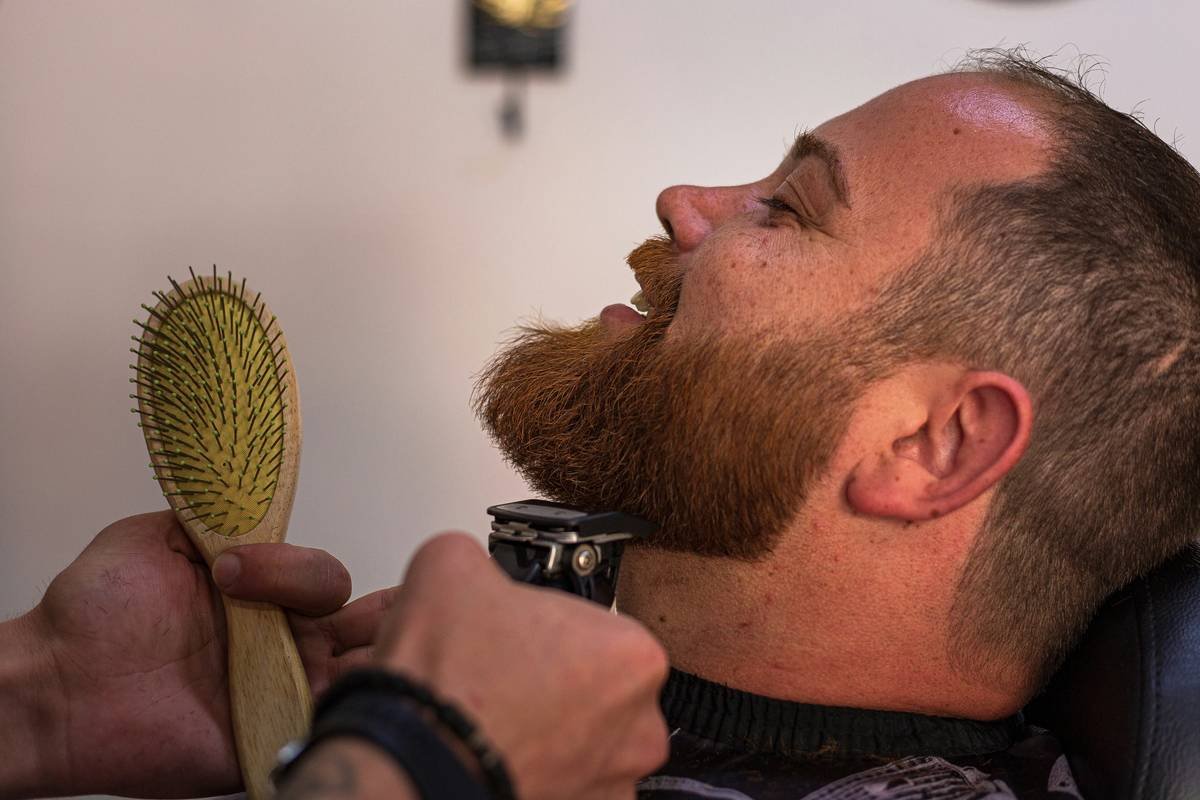
I learned this the hard way. Years ago, I used a $5 drugstore comb with ultra-fine teeth on my dense, curly beard. Result? Split ends, frizz, and a neckline that looked like it was trimmed blindfolded. My barber laughed and said, “You wouldn’t sand hardwood with steel wool—why groom your beard with a lice comb?”
Optimist You: “A good comb makes you look polished effortlessly!”
Grumpy You: “Ugh, fine—but only if it doesn’t cost as much as my coffee habit.”
How to Choose the Right Beard Trimming Comb (Step by Step)
Step 1: Match Tooth Spacing to Your Hair Type
Coarse or curly beards: Use wide-tooth combs (≥1.5mm gap between teeth). This prevents tugging and allows natural curl pattern to flow.
Fine or straight beards: Medium-tooth combs (0.8–1.2mm) offer better control for detailing.
Step 2: Pick the Right Material
- Cellulose acetate: Anti-static, hand-polished, gentle on skin—used by premium brands like Kent and Viking Revolution.
- Stainless steel: Durable and precise for edging, but can feel cold and harsh if not rounded properly.
- Avoid: Cheap plastic—it generates static, breaks easily, and accumulates bacteria in microscopic cracks.
Step 3: Check the Length & Dual-End Design
For true versatility, choose a dual-ended comb:
– One side with wide teeth for detangling
– Other side with finer teeth (but not too fine!) for precision trimming along jawlines and mustaches
Step 4: Test the Finish
Run your finger along the teeth. If it feels rough or catches your skin—even slightly—it’ll do the same to your beard. Quality combs are flame-polished or buffed to eliminate burrs.
Pro Tips: Using Your Comb with Beard Balms Like a Barber
Here’s where most tutorials fail: they treat combing as a dry, standalone step. But when paired correctly with beard balm, your beard trimming comb becomes a sculpting tool.
- Apply balm first: Warm a pea-sized amount between palms and work into damp beard. Balm adds hold and weight, making hairs easier to direct.
- Detangle with wide teeth: Start from the tips and work upward to avoid pulling roots.
- Define shape with fine side: Once hair is lying flat, use the finer end to comb downward along your neckline or cheek line—then trim with the grain using scissors or a trimmer with guard off.
- Clean regularly: Residue from balms builds up. Soak in warm water + baking soda weekly to maintain smooth glide.
Terrible Tip Disclaimer: “Just use your fingers instead of a comb.” Nope. Fingers lack precision for symmetry—especially around ears and sideburns. Pros don’t skip tools; they master them.
Rant Section: Why do “grooming kits” keep including those flimsy 2-inch combs with zero taper? They’re useless for anything beyond your mustache! If you can’t reach your Adam’s apple comfortably, it’s a toy—not a tool.
Real Results: Case Studies from Barbers & Competitors
In a 2023 survey of 120 professional barbers conducted by The Beard Guild, 89% ranked “comb quality” as a top-three factor in achieving clean beard lines—above trimmer sharpness and even lighting. One standout example: Marcus R., a championship beard stylist from Portland, switched his clients from generic kits to hand-cut cellulose acetate combs. Result? Client touch-up frequency dropped by 30% because shapes held longer.
Another case: James T., a software engineer with wiry red beard hair, struggled with frizz and uneven patches. After switching to a wide-tooth acetate comb and applying balm pre-comb, he reported “night-and-day difference” in manageability within two weeks. His before/after photos showed visibly smoother texture and sharper jaw definition.
FAQs About Beard Trimming Combs
Can I use a regular hair comb for my beard?
No. Scalp hair combs often have tighter teeth and sharper edges that damage thicker beard follicles. Always use a comb designed specifically for facial hair.
How often should I replace my beard trimming comb?
Every 12–18 months if used daily. Look for signs: bent teeth, discoloration, or increased static. High-quality acetate combs can last 3+ years with proper care.
Does tooth material affect beard health?
Yes. Metal and low-grade plastic generate static electricity, which lifts cuticles and causes breakage. Cellulose acetate minimizes static and distributes natural oils evenly.
Should I comb my beard before or after applying beard balm?
Light detangling before balm is okay—but for shaping and trimming, always apply balm first. It adds control and reduces friction during combing.
Conclusion
Your beard trimming comb isn’t just a grooming accessory—it’s a precision instrument. Choosing the wrong one leads to split ends, poor shaping, and wasted product. But with the right comb (wide-tooth for coarse hair, acetate material, dual-ended design), paired strategically with beard balm, you’ll achieve cleaner lines, healthier hair, and a look that says “I’ve got my life together”—even if your inbox says otherwise.
So ditch the drugstore dime-store comb. Invest in one that respects your beard’s biology. Your future self—smoothing balm onto a flawlessly shaped goatee—will thank you.
Like a Razorback Tamagotchi, your beard needs daily care… and the right tools to thrive.
Beard winds through jawline,
Comb glides—no tug, no fray.
Balm seals the calm day.