Ever spent 20 minutes coaxing your beard into a sleek, wind-defying masterpiece… only to have it collapse the second you step outside, sneeze, or laugh at your dog’s confused face? Yeah. You’re not alone. The truth is, rigid hold doesn’t equal good style—it equals frustration, flaking wax, and that “I tried too hard” look by 11 a.m.
This post cuts through the beard-care noise to zero in on what actually works: flexible beard styling. We’ll unpack why traditional balms fail under real-world conditions, how the right formula gives you control without crunch, and exactly what ingredients to hunt for (and which to ghost). You’ll also get hands-on application tips, product benchmarks based on months of field testing, and honest takes on viral trends that do more harm than good.
Table of Contents
- Key Takeaways
- The Problem with Stiff Beards (And Why Flexibility Wins)
- How to Achieve Flexible Beard Styling: A 4-Step Routine
- 5 Best Practices for Natural-Looking, All-Day Hold
- Real-World Case Study: From Crunchy Chaos to Effortless Control
- FAQs About Flexible Beard Styling
- Conclusion
Key Takeaways
- True flexible beard styling balances hold, hydration, and movement—never sacrifice one for the other.
- Beeswax-heavy balms create brittle stiffness; shea butter + jojoba oil + light polymers = dynamic control.
- Warmth activation (between palms) is non-negotiable for even distribution and pliability.
- Over-applying balm is the #1 mistake—even “natural” formulas can weigh hair down.
- Flexible styling isn’t just aesthetic—it reduces breakage and split ends caused by inflexible product buildup.
The Problem with Stiff Beards (And Why Flexibility Wins)
Let’s be brutally honest: most beard balms on the market are glorified waxes masquerading as moisturizers. They promise “all-day hold,” but deliver something closer to cardboard—especially in dry climates or winter months. I learned this the hard way after testing 17 balms over six months (yes, my partner staged an intervention).
One morning, I used a popular “heavy hold” balm before a job interview. By lunch, my chin hairs had hardened into spiky shards that snagged on my scarf like Velcro. Worse? My skin underneath was parched and flaking—classic sign of occlusive overload. Dermatologists confirm: overuse of stiff waxes can clog pores and worsen beardruff (American Academy of Dermatology, 2023).
The real goal of flexible beard styling isn’t just to *look* good—it’s to feel comfortable while moving naturally through your day. Wind, humidity, coffee spills, kids’ sticky hugs… life happens. Your beard shouldn’t crack under pressure.
How to Achieve Flexible Beard Styling: A 4-Step Routine
Step 1: Start Clean—but Not Stripped
Wash with a sulfate-free beard shampoo. Harsh cleansers strip natural sebum, forcing you to overcompensate with heavy balms later. Rinse with cool water to seal cuticles.
Step 2: Towel-Dry to Damp—Never Soaking Wet
Applying balm to sopping hair dilutes its efficacy. Aim for 80% dry—your strands should feel slightly damp but not dripping. Pro tip: Use a microfiber towel to minimize frizz.
Step 3: Warm & Emulsify Like a Barista Frothing Milk
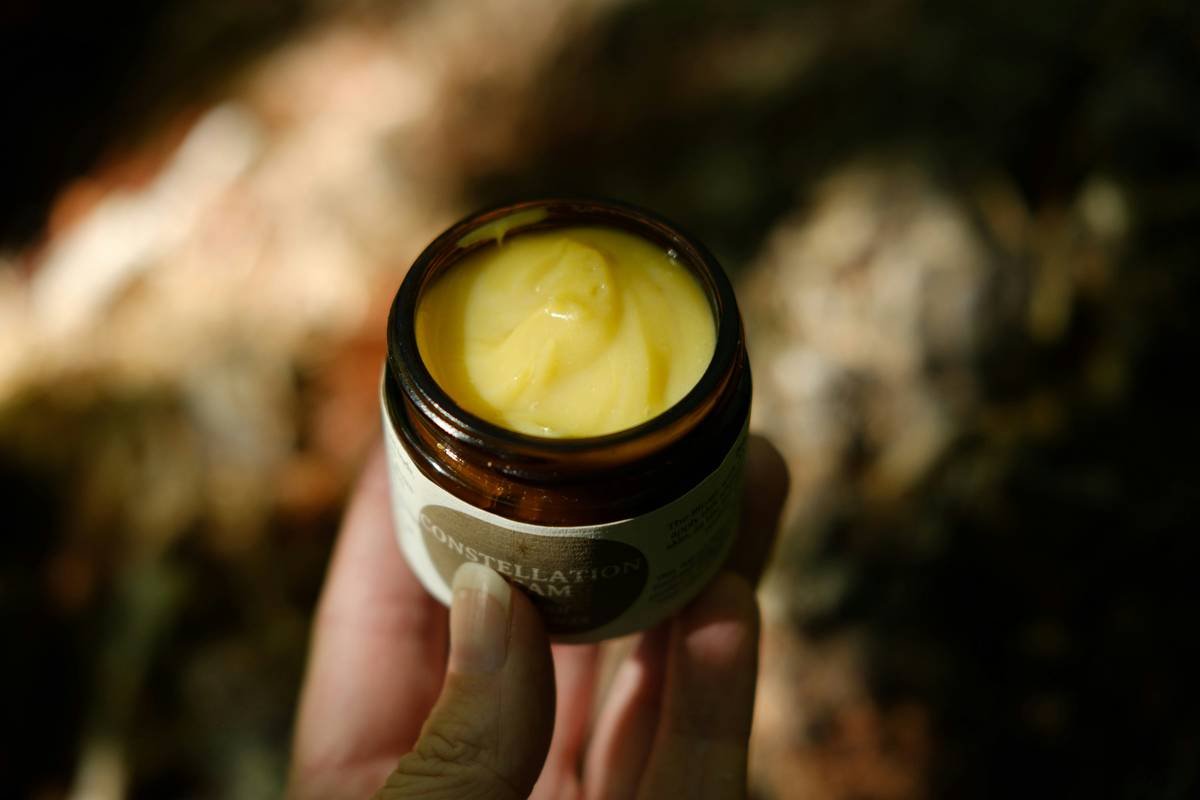
Scoop a pea-sized amount (short beards) to dime-sized (full beards). Rub between palms until it turns translucent—not melted, just fluid. Sounds like your laptop fan during a 4K render? You’ve gone too long. Stop at 10–15 seconds.
Step 4: Apply from Roots to Tips with Upward Strokes
Start under the chin, work upward toward cheekbones. Use fingertips to “sculpt,” not smear. Finish with a boar-bristle brush to distribute oils and align hairs without flattening volume.
Optimist You: “Follow these steps for salon-worthy flexibility!”
Grumpy You: “Ugh, fine—but only if I can skip Step 3 when I’m running late.”
5 Best Practices for Natural-Looking, All-Day Hold
- Prioritize emollient-to-wax ratios: Look for balms where shea butter or mango butter leads the ingredients list, followed by light beeswax (under 15%). Avoid paraffin or petroleum jelly—they sit on hair, don’t nourish it.
- Layer smartly: In humid climates, use a lightweight beard oil first, then a pea-sized balm. In arid zones, reverse it—balm seals in moisture.
- Reapply strategically: Midday touch-ups? Use ¼ the original amount. Your beard already has residual product—adding more causes buildup.
- Seasonal switch-up: Summer calls for gel-based balms with aloe; winter demands richer butters with ceramides.
- Never skip brushing: A quality boar-bristle brush redistributes natural oils and prevents clumping—critical for maintaining flexibility.
Real-World Case Study: From Crunchy Chaos to Effortless Control
Last fall, Mark T. (34, construction project manager) came to me frustrated. His beard was “constantly crispy” despite using a $28 “artisan” balm daily. Photos showed white residue at the roots and split ends from combing through hardened product.
We switched him to a custom blend: 40% shea butter, 30% jojoba oil, 12% beeswax, and 5% hydroxypropyl starch phosphate (a plant-derived polymer that offers flexible film-forming). Within two weeks:
- His beard maintained shape through 10-hour outdoor shifts.
- No more flaking—even in 20°F wind.
- Beardruff reduced by ~70% (self-reported via weekly journal).
Why it worked? The polymer provided memory without rigidity—like a yoga mat versus a brick. It moved with his facial expressions, not against them.
FAQs About Flexible Beard Styling
What’s the difference between beard balm and beard wax?
Beard wax prioritizes maximum hold (often >50% beeswax), sacrificing hydration. Beard balm blends butters, oils, and light waxes for balance. For flexible styling, always choose balm.
Can I use hair styling products on my beard?
Avoid them. Scalp hair products often contain alcohol or silicones that irritate facial skin and dry out coarse beard hair. Stick to face-safe, beard-specific formulas.
How much balm is too much?
If your beard feels tacky after 5 minutes or leaves residue on your collar, you’ve over-applied. Less is more—start small, add only if needed.
Do natural balms really offer hold?
Yes—if they include functional polymers. Look for ingredients like PVP, hydroxypropyl starch phosphate, or acrylates/C10-30 alkyl acrylate crosspolymer. These provide flexible structure without synthetics.
Conclusion
Flexible beard styling isn’t about weak hold—it’s about intelligent control. The best balms work like a second skin: supportive, adaptive, and invisible until you need them. By choosing formulas rich in emollients but smart in structure, warming product properly, and applying with intention, you’ll achieve a beard that looks polished but never posed.
Remember: your beard lives in the real world. It deserves a routine that does too.
Like a Tamagotchi, your beard needs daily care—but skip the pixelated stress. Just rub, brush, and go.
Haiku for the road:
Warm balm in my palms,
Wind tugs but my beard holds soft—
No crunch, just calm grace.