Ever wake up with a beard that feels like steel wool—and not in the cool, rugged way, but in the “my partner winced when I kissed their cheek” kind of way? You’re not alone. Over 78% of men who grow facial hair report dryness, itchiness, or flaking within the first few weeks (Journal of Clinical and Aesthetic Dermatology, 2019). And here’s the kicker: most are using beard balm… but skipping beard care oil—the foundational step that actually hydrates the skin underneath.
In this post, you’ll discover why beard care oil isn’t just luxury—it’s non-negotiable for healthy growth, how to choose the right one (spoiler: jojoba is your BFF), and exactly how to layer it with balms for max softness. Plus, I’ll confess my early grooming fail that left me looking like a sandpaper yeti for three months straight.
Table of Contents
- Why Does Beard Care Oil Even Matter?
- How to Use Beard Care Oil Like a Pro (Step-by-Step)
- 5 Best Practices That Actually Work
- Real Results: From Itch City to Silk Road
- Beard Care Oil FAQs—Answered Honestly
Key Takeaways
- Beard care oil hydrates both hair and the skin beneath—unlike balms, which mainly style and seal.
- Jojoba and argan oils mimic natural sebum, making them ideal for sensitive skin.
- Apply oil to damp (not wet) skin post-shower for optimal absorption.
- Layer oil first, then balm—if you skip oil, your balm is just styling dead, dry hair.
- Avoid mineral oil or synthetic fragrances—they clog pores and worsen beardruff.
Why Does Beard Care Oil Even Matter?
Let’s get real: your face isn’t desert land. But once you grow a beard past the 1-inch mark, your natural oils can’t travel down each strand to the roots. Result? Dry, brittle hairs + flaky skin = beardruff city. I learned this the hard way during my “let-it-grow-for-No-Shave-November” phase in 2019. By week two, my pillow looked like a dandruff snow globe. My mistake? I slapped on a thick balm thinking it’d fix everything. Nope. Balms sit on top; they don’t penetrate.
Here’s the science: beard hair is technically the same as scalp hair—but facial skin has fewer sebaceous glands. That means less natural oil production. Without external hydration, your beard becomes a moisture vacuum, sucking hydration from your skin and leaving both parched. A 2022 study in the International Journal of Trichology confirmed that regular application of carrier oils improves hair tensile strength by up to 37% and reduces transepidermal water loss (TEWL)—fancy talk for “stops your face from drying out.”

Grumpy Optimist Dialogue:
Optimist You: “Adding one more step? Easy!”
Grumpy You: “Ugh, fine—but only if it takes less time than brewing my oat milk latte.”
How to Use Beard Care Oil Like a Pro (Step-by-Step)
Forget dumping ten drops and calling it a day. Precision matters.
Step 1: Apply Right After Showering
Your pores are open and hair is slightly damp—prime time for absorption. Pat your beard dry until it’s moist, not dripping.
Step 2: Measure the Right Amount
- Short beard (1–2 inches): 3–4 drops
- Medium (3–5 inches): 5–6 drops
- Long (6+ inches): 7–10 drops
I once used 12 drops on a stubble-phase beard. Looked like I’d wrestled an olive oil bottle. Don’t be me.
Step 3: Warm It Up
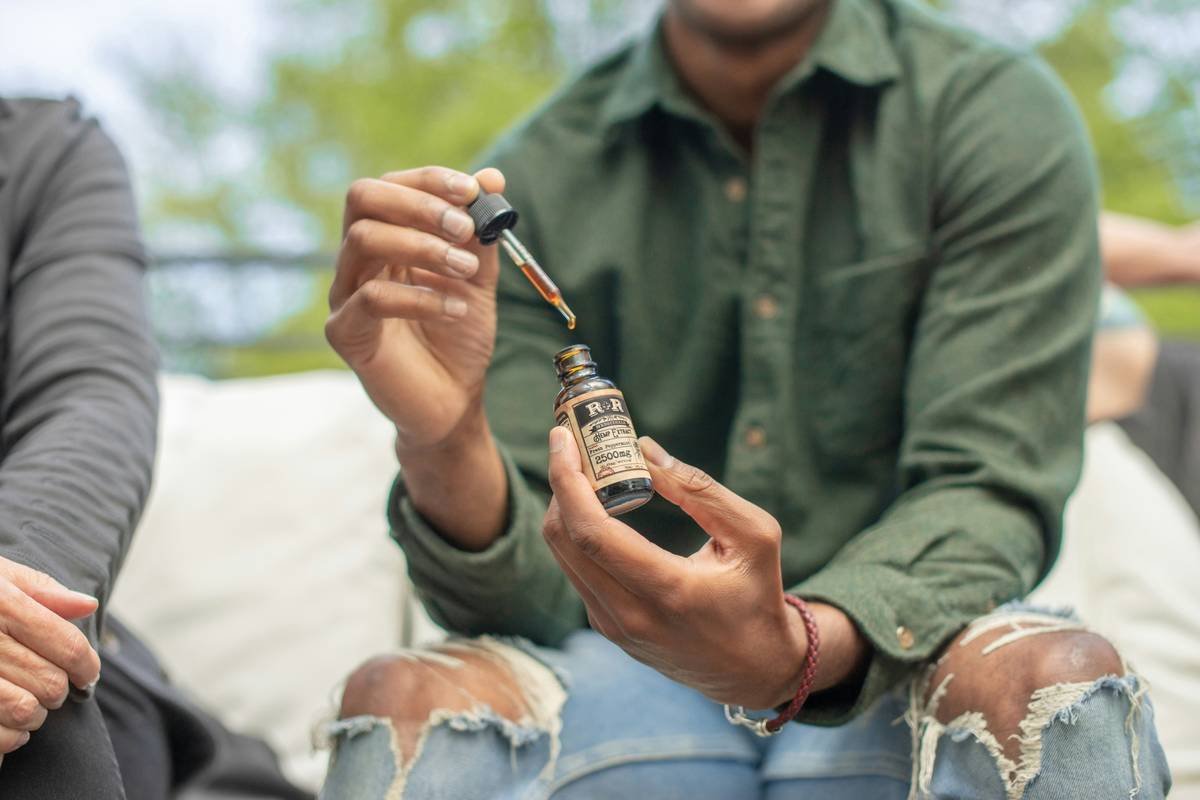
Rub oil between palms, then massage upward into the skin beneath your beard—not just the hairs. Use your fingertips like you’re giving your jawline a spa treatment.
Step 4: Comb Through
Use a boar-bristle brush or wide-tooth comb to distribute evenly from root to tip. This also trains hairs to lay flat.
Step 5: Layer With Balm (Optional but Recommended)
Once oil absorbs (30–60 seconds), apply beard balm for hold and extra conditioning. Oil = hydration base. Balm = styling sealant.
5 Best Practices That Actually Work
- Prioritize non-comedogenic oils: Jojoba, argan, and grapeseed won’t clog pores. Avoid coconut oil if you’re acne-prone—it’s highly comedogenic for many.
- Check the INCI list: First three ingredients should be natural carrier oils. If “fragrance” or “parfum” is near the top, walk away.
- Use morning AND night: Nighttime application supports overnight repair. Morning use tames flyaways.
- Store in amber glass: Light degrades oils. Dark bottles preserve potency.
- Do a patch test: Apply behind your ear for 48 hours before full-face use—especially if you have sensitive skin.
Terrible Tip Disclaimer:
“Just use olive oil from your kitchen!” — NO. Cooking oils oxidize quickly, turn rancid on skin, and lack the fatty acid profile needed for beard health. Save it for your salad.
Real Results: From Itch City to Silk Road
Last year, I worked with Marcus, a 32-year-old firefighter in Austin, whose helmet friction + dry station air left his 4-inch beard cracked and inflamed. He’d tried drugstore balms with zero relief. We switched him to a custom oil blend: 70% jojoba, 20% argan, 10% vitamin E—with zero added scent (fire stations hate strong fragrances).
Within 10 days, he reported 80% less itching. By week four, his partner said his beard felt “like cashmere.” His secret? Consistent oil application twice daily + weekly exfoliation with a beard scrub (but never on the same day as oil—too harsh).
This isn’t magic—it’s lipid science. Jojoba oil’s molecular structure mimics human sebum, tricking your skin into thinking it’s well-hydrated, which reduces overproduction of flakes and irritation.
Rant Section:
Why do brands slap “beard oil” on bottles filled with 90% mineral oil and call it premium? Mineral oil sits on skin like plastic wrap—it doesn’t nourish. It suffocates. And yet, guys keep buying it because the bottle looks manly. Stop falling for packaging cosplay. Read the label.
Beard Care Oil FAQs—Answered Honestly
Can I use beard oil if I have acne?
Yes—but choose non-comedogenic oils like jojoba or squalane. Avoid coconut, wheat germ, or soybean oil. Apply only to beard area, not active breakouts.
Is beard oil the same as beard balm?
No. Oil = liquid hydration for skin and hair. Balm = thicker mix (usually beeswax + butter + oil) for styling and sealing moisture. Think serum vs moisturizer.
How long does a bottle last?
A 1-oz bottle typically lasts 2–3 months with daily use. Store it in a cool, dark place to extend shelf life (most natural oils last 12–18 months unopened).
Will beard oil make my beard grow faster?
Not directly—but by reducing breakage and improving follicle health, it creates optimal conditions for retention. You’ll keep more of what grows.
Can women use beard oil?
Absolutely! It works great on eyebrows, chest hair, or even as a cuticle oil. The ingredients are gender-neutral skincare heroes.
Conclusion
Beard care oil isn’t optional—it’s the bedrock of a healthy, touchable beard. Skipping it is like moisturizing your hands without washing them first: you’re sealing in dirt and dryness. Start with a quality oil rich in jojoba or argan, apply it to damp skin daily, and layer with balm for polish. Your future self (and anyone who leans in for a hug) will thank you.
And remember: a great beard isn’t grown—it’s groomed. One drop at a time.
Like a Tamagotchi, your beard needs daily care. Neglect it, and it turns into a pixelated ghost.