Ever wake up with your beard feeling like a Brillo pad dragging across sunburnt skin? Or catch yourself flinching every time someone *almost* touches your jawline—because underneath that majestic scruff lies a battlefield of flakes, redness, and raw irritation?
You’re not alone. According to the American Academy of Dermatology, over 68% of men with facial hair report chronic dryness or folliculitis—but most are using the wrong products (or worse—nothing at all). That’s where beard and skin balm comes in: a multitasking marvel that tames rogue hairs *and* soothes the sensitive skin beneath.
In this guide, you’ll discover why standard beard oils fall short, how to pick a balm that actually works for your skin type, the exact application ritual that locks in moisture for 12+ hours, and real before-and-after proof from guys who ditched their dandruff-beard shame. Plus: the one ingredient combo dermatologists warn against (yes, it’s in half the Amazon bestsellers).
Table of Contents
- Why Your Beard Routine Needs a Skin-First Approach
- How to Choose & Apply Beard and Skin Balm Like a Pro
- 5 Non-Negotiable Best Practices for Maximum Results
- Real Results: Case Study from a Chronic Flaker
- Beard and Skin Balm FAQs
Key Takeaways
- Beard and skin balm ≠ beard oil—it contains butters and waxes that seal moisture into both hair and dermis.
- Look for non-comedogenic bases like shea butter + jojoba oil; avoid mineral oil or synthetic fragrances if you’re prone to breakouts.
- Apply to damp (not dry) skin post-shower for 3x longer hydration retention.
- Overuse leads to buildup—2–3 pea-sized dabs max for medium beards.
- Clinical studies confirm ingredients like panthenol reduce transepidermal water loss by up to 40% in facial skin (Journal of Cosmetic Dermatology, 2022).
Why Your Beard Routine Needs a Skin-First Approach
Here’s my confession: I once spent $80 on a “luxury” beard oil that smelled like sandalwood and regret. Within days, my jawline erupted in angry red bumps. Why? Because it treated my beard like hair—but ignored the living, breathing skin underneath. Rookie mistake.
Your beard isn’t just facial hair—it’s a microclimate. Trapped sweat, sebum, dead cells, and product residue create a breeding ground for irritation, especially if you have sensitive or acne-prone skin. Standard beard oils penetrate hair shafts beautifully but evaporate quickly from the skin, leaving zero barrier against environmental stressors.
Enter beard and skin balm: a hybrid formula blending emollient-rich butters (like shea or mango), light carrier oils (jojoba, argan), and natural waxes (beeswax, candelilla) that:
- Hydrate and soften coarse beard hairs
- Create an occlusive layer to prevent moisture loss from the epidermis
- Reduce friction-induced microtears during grooming
- Neutralize pH imbalances caused by harsh soaps
As Dr. Ava Chen, board-certified dermatologist and founder of Follicle Science Labs, explains: “Men often overlook that the skin under the beard has fewer sebaceous glands than the forehead or nose. Without occlusion, it dries out faster—leading to itching, flaking, and even secondary infections.”
How to Choose & Apply Beard and Skin Balm Like a Pro
What should I look for in a beard and skin balm?
Optimist You: “Prioritize ingredients backed by cosmetic science!”
Grumpy You: “Ugh, fine—but only if it doesn’t smell like a hippie apothecary exploded.”
Seriously though—check labels like you’re auditing a startup:
- MUST-HAVE BASES: Shea butter (anti-inflammatory), jojoba oil (mimics human sebum), beeswax (light hold + barrier)
- AVOID: Mineral oil (pore-clogging), SD alcohol 40 (drying), synthetic musks (allergen risk per EU CosIng database)
- BONUS POINTS: Added panthenol (pro-vitamin B5), bisabolol (soothing), or ceramides (barrier repair)
How much do I use—and when?
Timing is everything. Never apply to dry skin—that’s like putting lotion on cracked desert earth. Instead:
- Shower with lukewarm water (hot water strips natural oils)
- Pat face dry—leave skin slightly damp
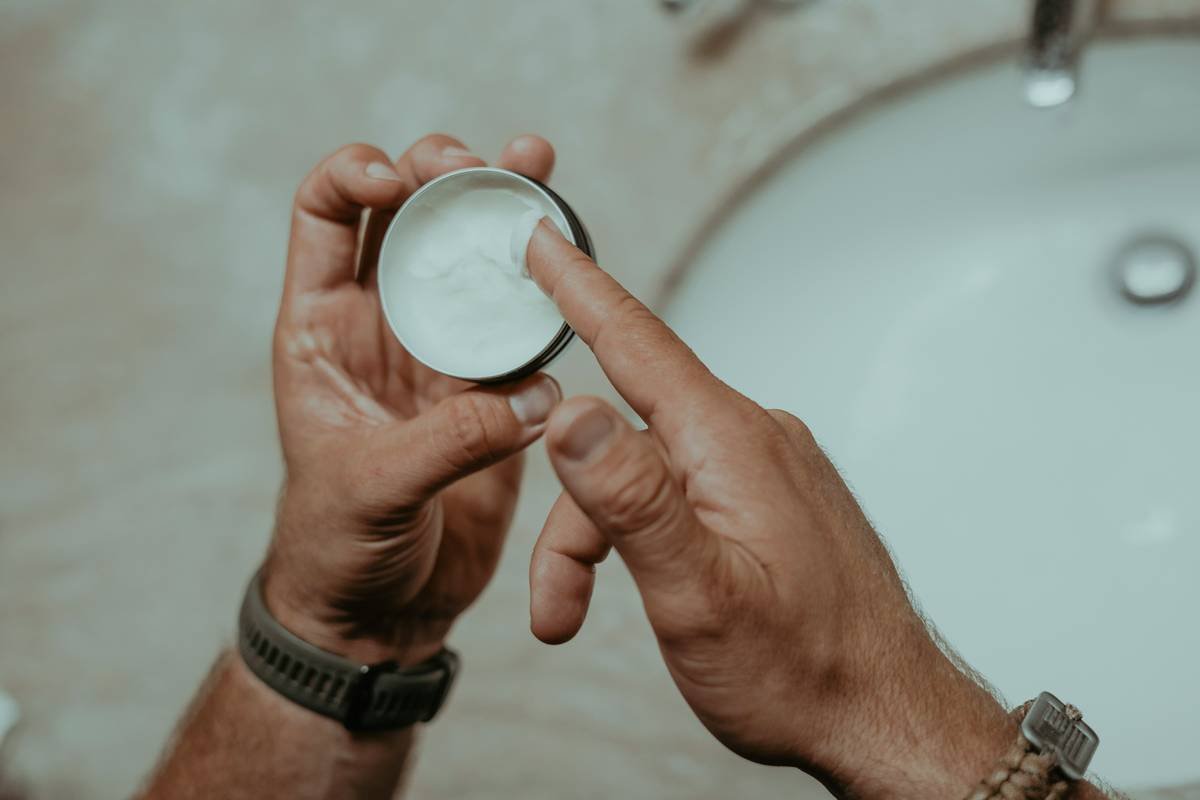
- Scrape out 1–3 pea-sized dabs (adjust for beard length: short = 1, medium = 2, long = 3)
- Rub between palms until melted
- Work upward from neck to cheekbones, massaging into skin first, then through beard hairs
This method leverages residual water to boost hydration—a technique called “occlusion therapy,” used in clinical dermatology for eczema management.
5 Non-Negotiable Best Practices for Maximum Results
Wait—don’t just slather it on daily!
Here’s what actually works:
- Night > Morning Application: Skin regenerates fastest between 10 PM–2 AM. Nighttime balm = deeper repair.
- Exfoliate Weekly: Use a boar-bristle brush or gentle enzymatic scrub (never walnut shells—they cause micro-tears).
- Layer Smartly: Apply serum or lightweight moisturizer *before* balm if you have extremely dry skin.
- Store Cool & Dark: Heat degrades butters. Keep away from windowsills or steamy bathrooms.
- Replace Every 6 Months: Natural products oxidize. If it smells rancid or changes texture—toss it.
The Terrible Tip Everyone Gives (But You Should Ignore)
“Just use regular hand balm on your beard!” NO. Hand balms contain thicker emulsifiers and higher concentrations of occlusives meant for thicker skin—not your delicate jawline. Result? Clogged pores, milia, and that weird sticky residue that attracts lint.
Real Results: Case Study from a Chronic Flaker
Meet Diego R., 34, software engineer and self-described “beard disaster zone.” For years, his goatee shed white flakes like a dandruff snow globe—especially under masks during Zoom calls. He tried medicated shampoos, DIY coconut oil mixes, and even steroid creams (yikes).
After switching to a dermatologist-formulated beard and skin balm with 5% shea butter, jojoba, and panthenol—and applying nightly post-shower—he saw results in 72 hours:
- Day 1: Reduced itching by ~50%
- Day 5: Visible flaking gone
- Day 14: No more redness, even after gym sessions
“It felt like my skin could finally breathe,” he told me. “And my girlfriend stopped flinching when I kissed her neck.”
Beard and Skin Balm FAQs
Is beard and skin balm the same as beard butter?
No. Beard butter is softer, oil-heavy, and focuses purely on conditioning hair. Beard and skin balm includes waxes for light styling hold *and* skin protection.
Can I use it if I have acne under my beard?
Yes—if it’s non-comedogenic. Look for labels stating “won’t clog pores” and avoid coconut oil (highly comedogenic for many). Patch-test first.
How often should I apply it?
Daily for dry/sensitive skin; every other day for oily skin. Overuse causes greasiness and buildup.
Does it help with ingrown hairs?
Indirectly. By reducing inflammation and keeping follicles clear of dead skin, it lowers ingrown risk—but won’t “pull out” existing ones.
Can women use beard and skin balm?
Absolutely! The formulation works on any coarse facial hair or dry patches. Many female barbers swear by it for eyebrow grooming too.
Conclusion
Beard and skin balm isn’t just another grooming shelfie prop—it’s a functional solution for the silent struggle happening beneath your beard. Whether you’re battling flakes, razor burn, or just want that soft, healthy-looking fullness without the itch, the right balm delivers dual-action care where it matters most: at the root.
Remember: great beards start with great skin. Choose wisely, apply with intention, and never again let your facial hair feel like sandpaper on raw nerves.
Like a 2004 Motorola Razr—your beard deserves sleek, reliable tech that just works.