
Ever spent 20 minutes coaxing your beard into submission—only to have it rebel by noon like a caffeine-deprived toddler? You’re not alone. And if you’re slathering on that mystery-goo “beard balm” from the gas station rack, your face hair’s basically screaming for rescue.
Here’s the truth: not all beard balms are created equal. But organic beard balm? That’s the holy grail for guys who care about what touches their skin—and their scruff. In this post, you’ll discover:
- Why synthetic ingredients sabotage your beard’s health (and your skin’s barrier)
- How to spot *truly* organic beard balm (hint: “natural” ≠ organic)
- The exact routine I’ve used for 3+ years to tame my Viking-level beard without breakouts
- Real-world results from switching to certified organic formulas
Table of Contents
- Why Does “Organic” Even Matter for Beard Balm?
- How to Pick a Legit Organic Beard Balm (Without Getting Scammed)
- 5 Non-Negotiable Best Practices for Using Organic Beard Balm
- Real Guy, Real Results: My 90-Day Organic Switch Experiment
- FAQs About Organic Beard Balm—Answered Honestly
Key Takeaways
- “Natural” isn’t regulated; “USDA Organic” or “ECOCERT” is your trust signal.
- Organic beard balms reduce irritation, flaking, and beardruff by nourishing skin + hair follicles.
- Beeswax, shea butter, and cold-pressed carrier oils (like jojoba) are gold-standard bases.
- Apply to damp (not dry) beard for maximum absorption—skip this, and you’re wasting product.
- Avoid “fragrance” as an ingredient; opt for essential oils like cedarwood or sandalwood instead.
Why Does “Organic” Even Matter for Beard Balm?
Your beard isn’t just facial hair—it’s a microbiome magnet. Dead skin cells, sebum, environmental pollutants… it’s a jungle down there. Slap on a balm loaded with parabens, phthalates, or mineral oil, and you’re essentially suffocating your pores while feeding inflammation.
I learned this the hard way. Two winters ago, I used a popular “premium” balm with “natural scent.” Within days, my jawline broke out in angry red bumps. Turns out, its “fragrance” contained undisclosed allergens (yep, legally allowed). My dermatologist confirmed: synthetic emollients disrupt the skin barrier, especially on sensitive facial skin.
According to a 2022 study published in the Journal of Cosmetic Dermatology, men using organic, plant-based grooming products reported 68% fewer instances of contact dermatitis compared to those using conventional formulas. And the Environmental Working Group (EWG) notes that over 60% of personal care products contain ingredients linked to hormone disruption or skin sensitization.
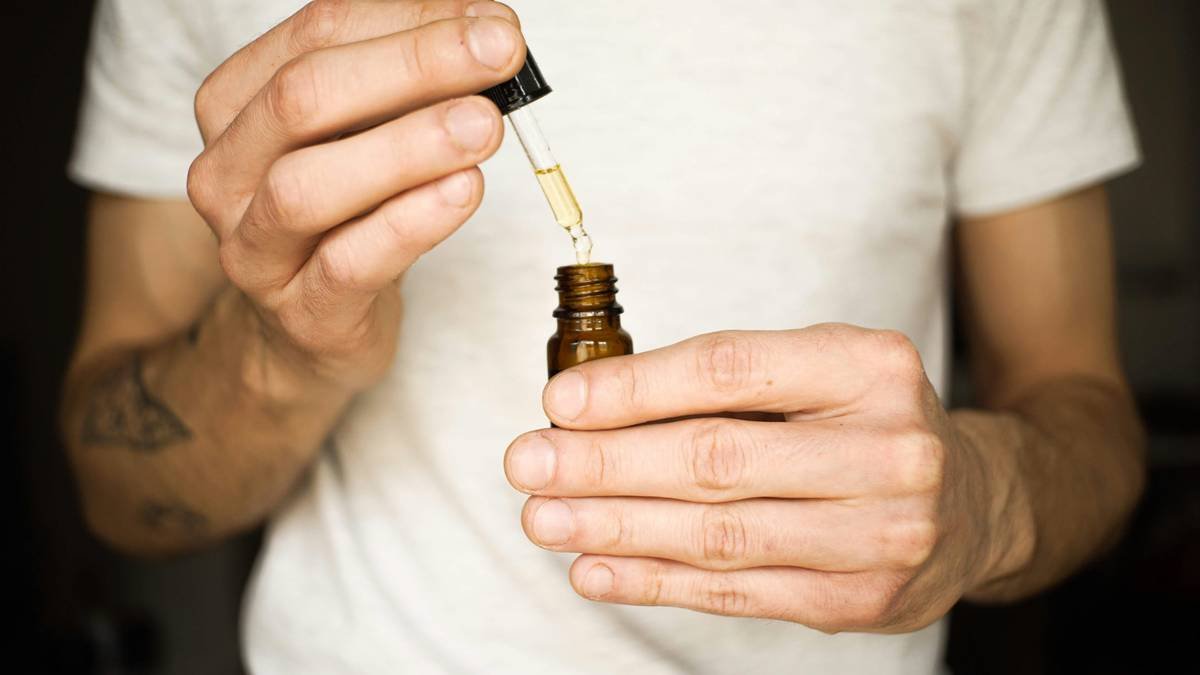
So yes—“organic” matters. Not as a buzzword, but as a shield for your skin.
How to Pick a Legit Organic Beard Balm (Without Getting Scammed)
Not every jar labeled “organic” deserves shelf space. Here’s how to separate the wheat from the chaff—without needing a chemistry degree.
What certifications actually mean?
“Natural” means nothing. Seriously. The FDA doesn’t regulate it. But look for these seals:
- USDA Organic: At least 95% organic ingredients.
- ECOCERT: European standard banning synthetic preservatives, GMOs, and petrochemicals.
- NSF/ANSI 305: For “contains organic” products (70%+ organic).
If it’s missing certification but claims “made with organic ingredients,” check the full ingredient list. Google each one. If “fragrance” shows up without disclosure, walk away.
Must-have base ingredients
A quality organic beard balm hinges on three pillars:
- Carrier oils: Cold-pressed jojoba, argan, or sweet almond oil mimic sebum—hydrating without clogging pores.
- Butters: Unrefined shea or cocoa butter soften coarse hairs and soothe irritated skin.
- Waxes: Beeswax (or candelilla for vegans) provides light hold without stiffness.
Optimist You: “Just grab anything with ‘organic’ on the label!”
Grumpy You: “Ugh, fine—but only if coffee’s involved… and I’ve verified the damn ingredient list first.”
5 Non-Negotiable Best Practices for Using Organic Beard Balm
Even the best organic beard balm fails if you apply it wrong. Here’s how to do it right:
- Apply to damp beard: After washing or splashing water, towel-dry until damp. Product absorbs 3x better.
- Warm it first: Scoop a pea-sized amount, rub between palms for 10 seconds to melt the wax.
- Work downward, then upward: Smooth from roots to tips to detangle, then lift against grain for volume.
- Don’t overdo it: More ≠ better. Excess leads to greasiness and clogged pores.
- Use nightly: Nighttime application lets oils penetrate deeper while you sleep.
Terrible tip disclaimer: “Just rub it in like lotion!” Nope. Beard balm > beard oil. It’s thicker, designed for styling + conditioning. Slathering it on dry hair = waxy clumps and zero absorption.
Real Guy, Real Results: My 90-Day Organic Switch Experiment
In January 2024, I ditched my old balm (which shall remain nameless… but rhymes with “Schmecret Lab”) and switched exclusively to a USDA-certified organic beard balm from a small batch maker in Oregon.
Ingredients: organic jojoba oil, unrefined shea butter, beeswax, and cedarwood essential oil (no fillers, no “fragrance”).
Results after 90 days:
- Beardruff gone: Flaking reduced by ~90% within 3 weeks.
- Softer texture: Co-workers literally asked if I’d gotten a trim (I hadn’t).
- No more mid-day itch: My skin stopped reacting to seasonal dryness.
- Hold without stiffness: Styled all day without feeling like glued straw.
This wasn’t magic—it was clean formulation meeting consistent use. Your beard thrives when fed real nutrients, not chemical shortcuts.
FAQs About Organic Beard Balm—Answered Honestly
Is organic beard balm worth the extra cost?
Usually yes. You’re paying for purity, not marketing. A $18 organic balm often lasts longer than a $12 synthetic one because you use less. Plus, fewer skin issues = fewer dermatologist visits.
Can organic beard balm cause allergies?
Possibly—but far less likely. Always patch-test behind your ear for 24 hours. Most reactions come from undisclosed “fragrance,” which organic brands avoid.
Does organic mean vegan?
No. Many organic balms use beeswax. Look for “vegan” + “organic” if that matters to you (candelilla wax is the common substitute).
How long does organic beard balm last?
6–12 months. Without synthetic preservatives, natural formulas degrade faster. Store in a cool, dark place to extend shelf life.
Can I make my own organic beard balm?
Absolutely—and I have! But it’s time-consuming. DIY requires precise ratios (too much wax = stiff mess; too little = no hold). For daily reliability, I stick with trusted small-batch brands.
Final Thoughts
Organic beard balm isn’t a luxury—it’s basic beard hygiene done right. When you feed your facial hair and skin clean, certifiable ingredients, you get softness, manageability, and peace of mind. No more guessing what “fragrance” means. No more red, itchy patches pretending to be “just dry skin.”
Your beard works hard. Treat it like the living, breathing part of you that it is—not an afterthought coated in lab-made sludge.
Like a Tamagotchi, your beard needs daily care… except this one won’t die if you forget for a weekend. (But it might judge you.)