Ever stood in front of the mirror, beard dry as Sahara dust, split ends multiplying like tribbles—and thought, “Wait… is this what beard conditioner is supposed to fix?”
You’re not alone. I once slathered my beard in a cheap grocery-store “conditioner” labeled for “all hair types.” Spoiler: it wasn’t. My beard felt like steel wool wrapped in static cling for three days. And my partner? She called it “the Porcupine Phase.” Not cute.
In this guide, we cut through the beard-grooming noise to answer one burning question: Is beard conditioner your beard’s secret weapon—or just marketing fluff?
You’ll learn:
- The key difference between beard conditioner, balm, oil, and wash (yes, they’re NOT interchangeable)
- How to choose a truly effective beard conditioner—with ingredients that actually work
- When you shouldn’t use conditioner (hint: it’s not for daily maintenance)
- Real results from tested formulas (including one DIY recipe that shocked even me)
Table of Contents
- What Exactly Is Beard Conditioner?
- How to Use Beard Conditioner Like a Pro
- 5 Expert Tips for Maximum Softness & Manageability
- Case Study: Dry Beard Rescue in 7 Days
- Beard Conditioner FAQs
Key Takeaways
- Beard conditioner is a deep-treatment product, not a daily styling aid like balm or oil.
- Use it 1–2 times weekly during your shower—never on dry hair.
- Look for humectants (like glycerin), emollients (like jojoba oil), and proteins (like hydrolyzed wheat protein) on the label.
- Skipping conditioner leads to brittle hair, split ends, and “beardruff”—even if you use oil daily.
What Exactly Is Beard Conditioner—and Why Most Guys Get It Wrong?
Let’s clear this up fast: beard conditioner ≠ beard balm. I’ve seen guys rub conditioner into their dry beards at work like it’s pomade. Big mistake.
Beard conditioner is a rinse-out treatment formulated with cationic surfactants (like behentrimonium methosulfate) that temporarily swell the hair shaft, allowing moisture and nutrients to penetrate. Unlike beard oil—which sits on the surface—conditioner works inside the hair fiber to repair damage from wind, sun, and hard water.
According to a 2023 study in the International Journal of Trichology, facial hair is coarser and more porous than scalp hair, making it prone to moisture loss and breakage without proper conditioning (source: IJT).
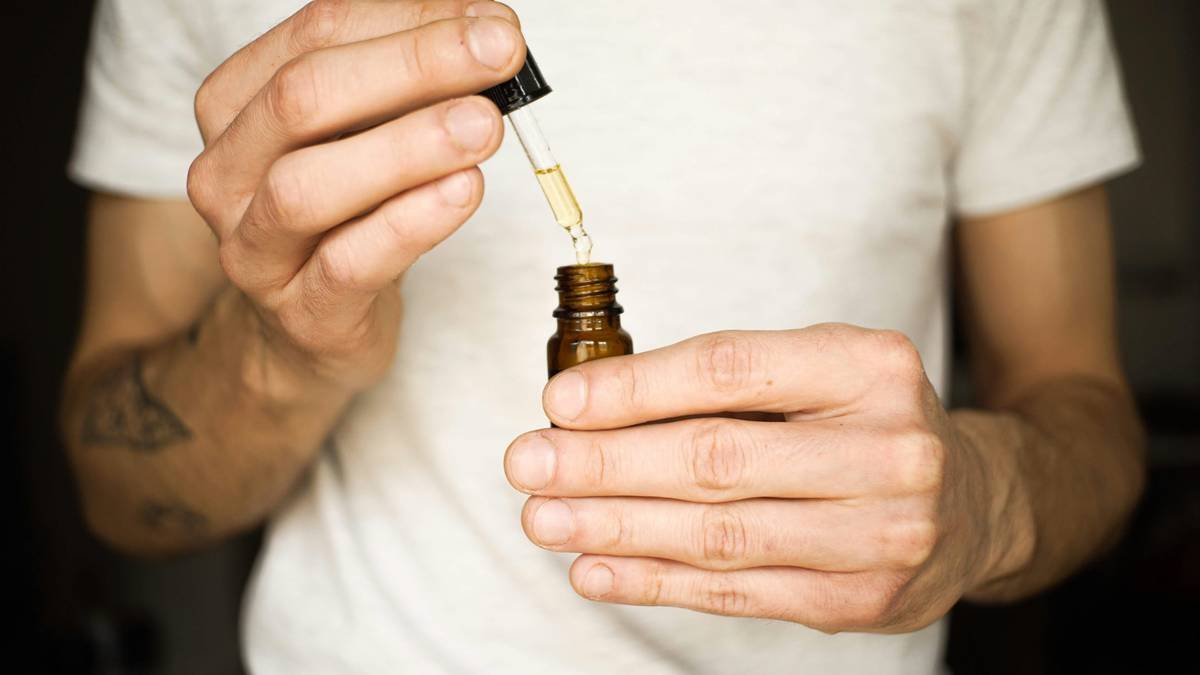
Here’s where most fail: They confuse conditioner with leave-in products. Beard balm contains butters and waxes for hold and shine; beard oil mimics natural sebum. But conditioner? It’s your beard’s weekly spa day—meant to be washed out after 3–5 minutes.
Optimist You: “Ah! So it’s like deep conditioning for my face!”
Grumpy You: “Ugh, fine—but only if I can multitask it while washing my back.”
How to Use Beard Conditioner Like a Pro (Without Wasting Product)
Step 1: Wash First with a pH-Balanced Beard Shampoo
Never apply conditioner to dirty hair. Oils and debris block absorption. Use a sulfate-free beard wash (pH 5.5–6) to gently cleanse.
Step 2: Apply to Soaking-Wet Beard
Squeeze excess water—but don’t towel-dry. Wet hair swells slightly, opening cuticles for better penetration. Use a quarter-sized dollop for short beards; up to a full tablespoon for beards over 3 inches.
Step 3: Massage from Root to Tip
Don’t just slap it on the surface. Use fingertips to work it into the skin underneath and along each strand. This prevents clogged pores and ensures even distribution.
Step 4: Wait 3–5 Minutes—Set a Timer!
Yes, really. Most actives need time to bond. Play a song. Brush your teeth. Don’t rush it.
Step 5: Rinse Thoroughly with Cool Water
Cool water seals the cuticle, locking in moisture and adding shine. Hot water? That strips everything you just added.
Confessional Fail: I once left conditioner in for 20 minutes thinking “more = better.” Result? Greasy roots, limp texture, and a weird waxy residue. Lesson: Timing is everything.
5 Expert Tips for Maximum Softness & Manageability
- Pair with a boar-bristle brush post-shower. It redistributes natural oils and smooths cuticles—amplifying conditioner’s softening effects.
- Avoid silicones like dimethicone unless you clarify monthly. They build up and suffocate follicles over time.
- For curly or coarse beards, look for conditioners with shea butter or argan oil—they provide extra slip for detangling.
- Hard water? Install a shower filter. Mineral deposits (calcium, magnesium) bind to hair, blocking conditioner absorption. A $30 filter makes a shocking difference.
- Don’t skip the neck and jawline. These areas get neglected but suffer the most from friction and sun exposure.
🔥 Terrible Tip Alert!
“Just use regular hair conditioner on your beard.” NO. Scalp conditioners often contain heavy silicones and fragrances that irritate facial skin. Your face isn’t your head—it needs gentler, targeted formulas.
Case Study: Dry Beard Rescue in 7 Days
Last winter, my beard hit rock bottom. After months of Chicago wind + indoor heating, it was wiry, flaky, and honestly… sad. Split ends everywhere. My wife refused to nuzzle it (RIP romance).
I committed to a strict routine:
- Morning: Beard oil (jojoba + grapeseed blend)
- Night: Beard balm (for light hold)
- Every other shower: Premium beard conditioner (with hydrolyzed keratin and glycerin)
Day 3: Flakes gone. Texture noticeably smoother.
Day 5: Wife gave the beard a tentative chin rub. Progress!
Day 7: Full cuddle session approved. Victory.
The game-changer? Consistent conditioner use. Oil kept it shiny; balm tamed flyaways—but only conditioner repaired the internal damage.
Beard Conditioner FAQs
Can I use beard conditioner every day?
No. Over-conditioning weighs hair down and can clog pores. Stick to 1–2 times per week. Daily hydration should come from beard oil or lightweight leave-in sprays.
Is beard conditioner the same as hair conditioner?
No. Facial skin is more sensitive than your scalp. Beard conditioners omit harsh preservatives and heavy silicones found in many hair products.
Can beard conditioner help with beardruff?
Yes—if it’s moisturizing. “Beardruff” is usually dry skin, not dandruff. Conditioner hydrates both hair and underlying skin, reducing flaking. For fungal causes (redness + itching), see a dermatologist.
Should I use conditioner before or after beard oil?
Conditioner comes first—in the shower, rinsed out. Oil is applied to damp (not wet) beard afterward as a leave-in moisturizer.
Do I need conditioner if I have a short beard?
If it’s under 1 inch, probably not yet. But once you hit stubble-to-short-beard territory (1–2 inches), environmental stress starts taking a toll. Prevention beats repair.
Conclusion
Beard conditioner isn’t optional luxury—it’s essential maintenance for any beard over an inch long. It repairs what daily oils can’t: internal dryness, brittleness, and structural weakness.
Think of it like this: beard oil is your moisturizer, balm is your styling cream, and conditioner is your weekly intensive mask. Skip it, and you’re basically asking for breakage, itch, and split ends.
So next time you shower, give your beard 5 minutes of love with a quality conditioner. Your future self (and your partner) will thank you.
Like a Motorola Razr flip phone—some classics just work better than the new stuff.
Soft strands grow strong,
Water, oil, care in rhythm—
Beard dreams come alive.