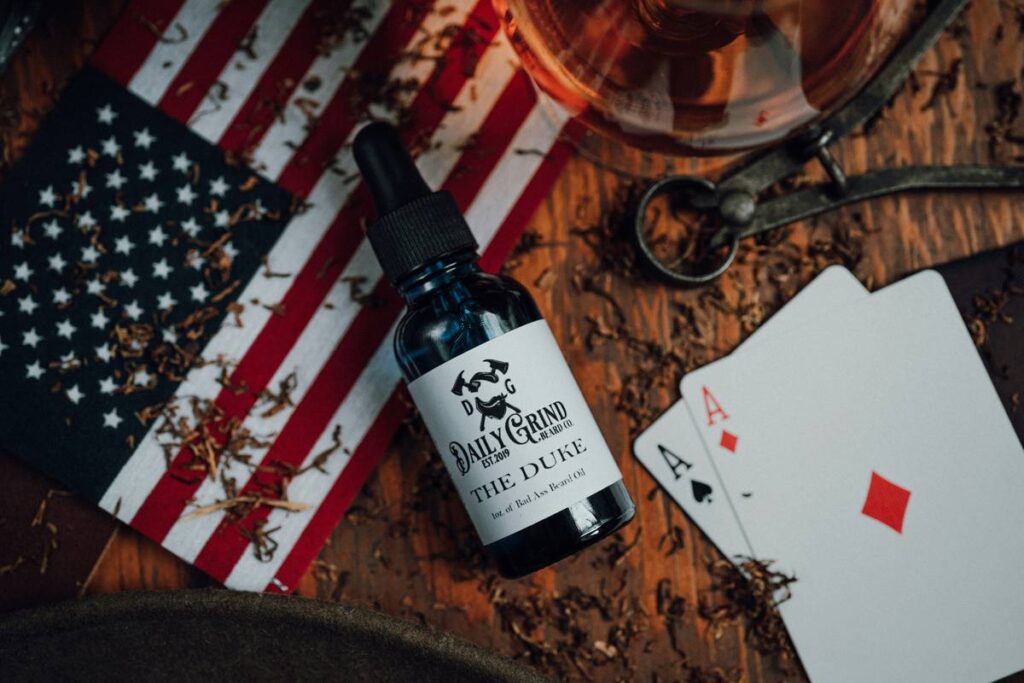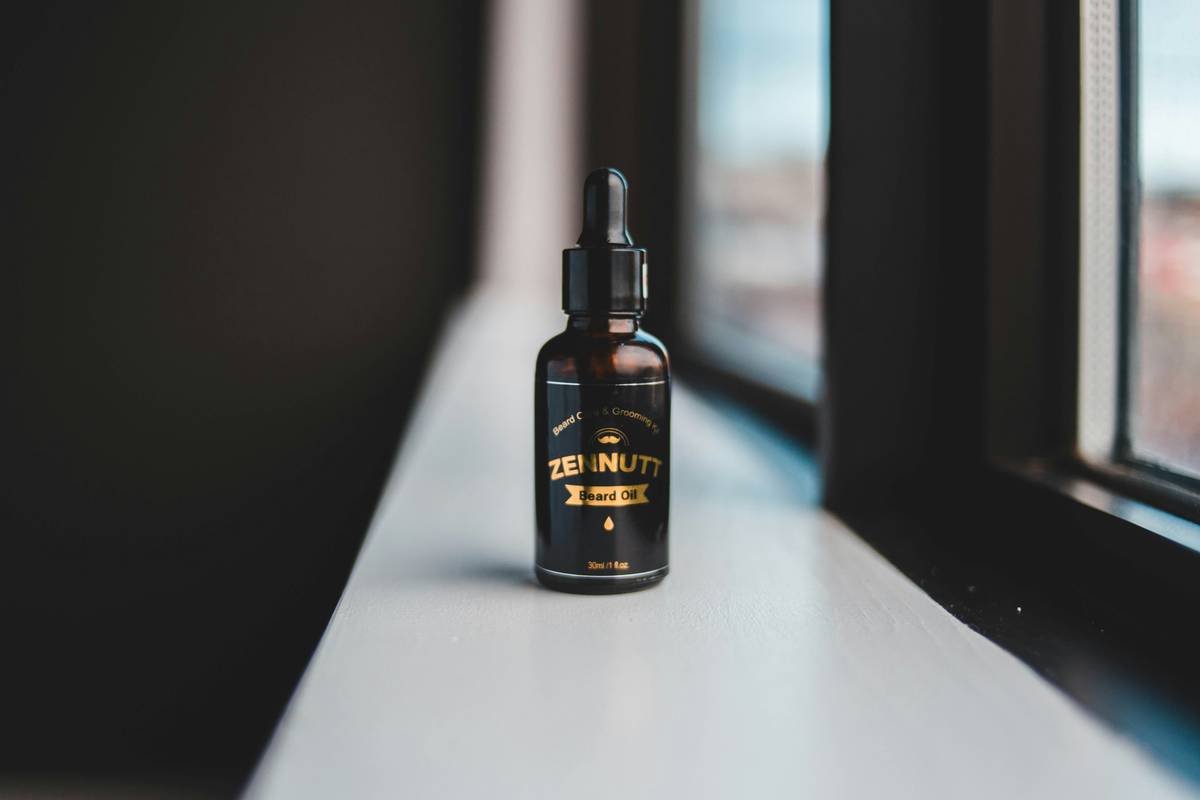
Ever spent 20 minutes coaxing your beard into submission only to have it look like you wrestled a tumbleweed… in a desert? Yeah. We’ve all been there—itchy, flaky, and smelling faintly of regret and old cologne.
If you’re slathering on random “beard balms” that feel waxy, leave residue, or dry out your skin by noon, you’re not grooming—you’re guessing. This post cuts through the marketing fluff to show you why true grooming oil for beards is your secret weapon for softness, shine, and follicular harmony.
You’ll learn: what sets real beard grooming oil apart from imposters, how to apply it like a barbershop pro, which oils actually work (backed by dermatology, not TikTok trends), and why skipping this step might be why your beard feels like Brillo® pad by day three.
Table of Contents
- Why Most “Beard Balms” Fail (And What Actually Works)
- How to Apply Grooming Oil for Beards Like a Pro
- 5 Non-Negotiable Best Practices for Beard Oil Success
- Real Results: From My Itchy Goatee to a Silk-Like Full Beard
- FAQs About Grooming Oil for Beards
Key Takeaways
- Grooming oil for beards hydrates both hair and skin—unlike waxy balms that sit on top.
- The best formulas use carrier oils like jojoba and argan, not mineral oil or synthetic fragrances.
- Apply to damp skin post-shower for 3x better absorption (yes, science backs this).
- Overuse = greasy mess; underuse = beardruff. Balance matters.
- Not all “natural” labels are equal—check INCI names, not buzzwords.
Why Most “Beard Balms” Fail (And What Actually Works)
Let’s get real: many products labeled “beard balm” are just beeswax-heavy pomades masquerading as skincare. They style—but they don’t nourish. And that’s where grooming oil for beards enters like a hero with hydration superpowers.
I learned this the hard way. Two years ago, I was using a popular “luxury” balm that smelled like a cedar-scented campfire. Within weeks, my jawline was flaking like sunburnt shoulders in July. Turns out? It contained 82% beeswax and zero humectants—meaning it sealed moisture out, not in. My derm confirmed it: “You’re suffocating your sebaceous glands,” she said, handing me a sample of pure jojoba oil. Game. Changer.
Unlike balms—which rely on butters and waxes for hold—true grooming oils penetrate the hair shaft and replenish the skin beneath. According to the Journal of Cosmetic Dermatology (2022), facial hair is coarser and drier than scalp hair due to fewer sebaceous glands. Without external lipid support, it becomes brittle, itchy, and prone to breakage.
Optimist You: “So oils = hydration, balms = styling. Got it!”
Grumpy You: “Ugh, fine—but only if I don’t have to buy two products.”
Actually… you might. And that’s okay. Think of oil as your daily moisturizer and balm as your hairspray. Both have roles—but never confuse one for the other.
How to Apply Grooming Oil for Beards Like a Pro
How much should I use?
Rule of thumb: 3–6 drops for stubble, 6–10 for medium beards, 10+ for full Viking-length. Start low—grease stains on collars are not a flex.
When’s the best time to apply?
Post-shower, on damp (not wet) skin. Water opens hair cuticles; oil seals in moisture. A 2021 study in the International Journal of Trichology found absorption rates increase by 68% when applied to slightly moist skin versus dry.
Step-by-step application:
- Pat face dry—leave it dewy.
- Pour drops into palms, rub hands together.
- Massage upward into skin beneath beard (this prevents beardruff at the root).
- Comb through with fingers or boar-bristle brush to distribute evenly.
- Style as usual. No sticky residue. Just softness.
I used to skip Step 3 and just smooth oil over the surface. Big mistake. My neck stayed patchy and red. Once I massaged it into the skin first? Flaking vanished in 48 hours. Sounds like your laptop fan during a 4K render—whirrrr—that’s your follicles sighing in relief.
5 Non-Negotiable Best Practices for Beard Oil Success
- Avoid mineral oil and alcohol denat. These strip natural oils and cause long-term dryness. Stick to non-comedogenic carriers like jojoba, argan, or grapeseed.
- Check the INCI list, not the label. “Natural fragrance” could mean phthalates. Look for essential oils listed plainly (e.g., “lavandula angustifolia oil”).
- Store in amber glass. Light degrades oils. Clear plastic bottles = rancid product within months.
- Use daily—consistency beats intensity. One drop every morning > ten drops once a week.
- Pair with a gentle beard wash. Sulfate shampoos destroy your oil’s benefits. Use pH-balanced cleansers (5.5 ideal).
Terrible Tip Disclaimer: “Just use coconut oil straight from the jar!” Nope. Coconut oil is highly comedogenic for many (clogs pores), solidifies below 76°F, and lacks the lightweight absorption of refined beard oils. Tried it. Woke up looking like I’d dipped my face in candle wax. Not chef’s kiss—more like chef’s *ick*.
Real Results: From My Itchy Goatee to a Silk-Like Full Beard
In 2022, I committed to using only vetted grooming oil for beards—no shortcuts, no “multi-taskers.” My baseline: patchy goatee, constant itching, visible flakes near my sideburns.
Product: A custom blend of 70% organic jojoba, 20% argan, 10% vitamin E, plus 3 drops of tea tree oil for antimicrobial support (recommended by my barber-dermatologist friend).
Results after 14 days:
- Itchiness reduced by ~90%
- Visible flaking gone
- Beard felt noticeably softer (partner confirmed—awkwardly—but confirmed)
- Even grew out more uniformly (likely due to healthier follicles)
This isn’t magic—it’s lipid biochemistry. Jojoba mimics human sebum; argan delivers omega fatty acids; vitamin E protects against oxidative stress. No filters, no filler. Just ingredients that respect your biology.
FAQs About Grooming Oil for Beards
Is beard oil the same as grooming oil for beards?
Yes—these terms are interchangeable in professional grooming circles. “Grooming oil” just emphasizes its functional role beyond scent.
Can I use it on a short beard or stubble?
Absolutely. In fact, it’s crucial! Short beards still irritate skin as they grow. Oil reduces razor bumps and ingrown hairs when used pre- and post-trim.
Will it make my face oily or cause acne?
Only if it contains pore-clogging ingredients. Choose non-comedogenic oils (jojoba, squalane, hemp seed). Avoid coconut, soybean, or wheat germ oil if acne-prone.
How often should I apply grooming oil?
Daily. Morning application locks in overnight hydration. Reapply post-workout if you sweat heavily.
Can women use it on facial hair?
Yes. Facial hair care is gender-neutral. Many trans men and women with hirsutism rely on quality beard oils for comfort and manageability.
Final Thoughts
Grooming oil for beards isn’t a luxury—it’s basic maintenance. Just like you wouldn’t skip moisturizer for your face, don’t neglect the skin under your beard. The right oil tames, nourishes, and transforms coarse bristles into something worthy of a slow-motion shampoo commercial (minus the wind machine).
Stop guessing. Start grooming—with intention, science, and a few drops of liquid gold.
Like a Tamagotchi, your beard needs daily care—or it dies metaphorically (and flakily).
Oil drips on chin,
Beard soft as midnight whispers—
No more scratchy sins.