Ever run your fingers through your beard only to flinch at the scratchy feel—or worse, spot flakes that look suspiciously like dandruff… but on your face? Yeah. We’ve all been there. And no, slapping on cheap drugstore goop isn’t the fix.
If you’re serious about beard care (not just “I-got-lazy-and-stopped-shaving” energy), beard balm with vitamin E might be your missing link. This post dives deep into why vitamin E matters in beard balms, how to choose a truly effective formula, and real-world results from guys who stopped guessing and started grooming with intention.
You’ll learn:
- Why vitamin E isn’t just marketing fluff—it’s biochemistry-backed nourishment
- How to spot fake “vitamin E” claims vs. genuinely active formulations
- My personal top 3 beard balm picks (tested over 6+ months of winter dryness)
- A step-by-step ritual that actually tames flyaways without greasing up your collar
Table of Contents
- Key Takeaways
- Why Does Vitamin E Even Matter in Beard Balms?
- How to Use Beard Balm with Vitamin E Like a Pro (Not a Rookie)
- 5 Best Practices for Maximum Beard Benefits
- Real Results: What Happened When I Switched to Vitamin E-Infused Balm
- FAQs About Beard Balm with Vitamin E
- Conclusion: Stop Ignoring Your Beard’s Nutritional Needs
Key Takeaways
- Vitamin E (tocopherol) is a fat-soluble antioxidant that protects beard hair and skin from oxidative stress and moisture loss.
- Not all “vitamin E” labels are equal—look for tocopherol or mixed tocopherols high in the ingredient list, not just “fragrance with vitamin E.”
- Beard balm with vitamin E should also contain natural butters (shea, cocoa) and carrier oils (jojoba, argan) for full efficacy.
- Apply to damp—not dry—beard for optimal absorption and hold.
- Clinical studies confirm vitamin E improves skin barrier function and reduces transepidermal water loss (TEWL), critical for preventing beardruff.
Why Does Vitamin E Even Matter in Beard Balms?
Let’s get real: Most beard balms on Amazon scream “natural!” while hiding behind a cocktail of mineral oil, synthetic fragrances, and maybe—a whisper—of vitamin E buried at the bottom of the label. But here’s the kicker: vitamin E isn’t just a buzzword. It’s a clinically proven skin and hair protector.
Vitamin E (specifically alpha-tocopherol) is a powerhouse antioxidant. According to the Journal of Clinical and Aesthetic Dermatology, it neutralizes free radicals caused by UV exposure and pollution—two major culprits behind brittle beard hairs and irritated skin underneath. Plus, it enhances the skin’s barrier function, reducing transepidermal water loss (TEWL). Translation? Less flaking, less itch, more resilience.
I learned this the hard way. During a brutal Chicago winter, my beard turned into a hay bale. I tried everything—even that $28 “artisan” balm from a guy named Chad who crafts in his garage. Spoiler: His “vitamin E” was listed as #12 out of 14 ingredients. My beard looked like it survived a dust storm.
Grumpy You: “Ugh, fine—but only if this doesn’t involve another 10-step routine.”
Optimist You: “It’s one extra minute. And your partner will finally stop flinching when you kiss them.”
How to Use Beard Balm with Vitamin E Like a Pro (Not a Rookie)
Step 1: Wash and towel-dry your beard (don’t skip this!)
Apply balm to clean, slightly damp hair. Water opens the hair cuticle, letting oils penetrate deeper. Dry application = wasted product sitting on the surface.
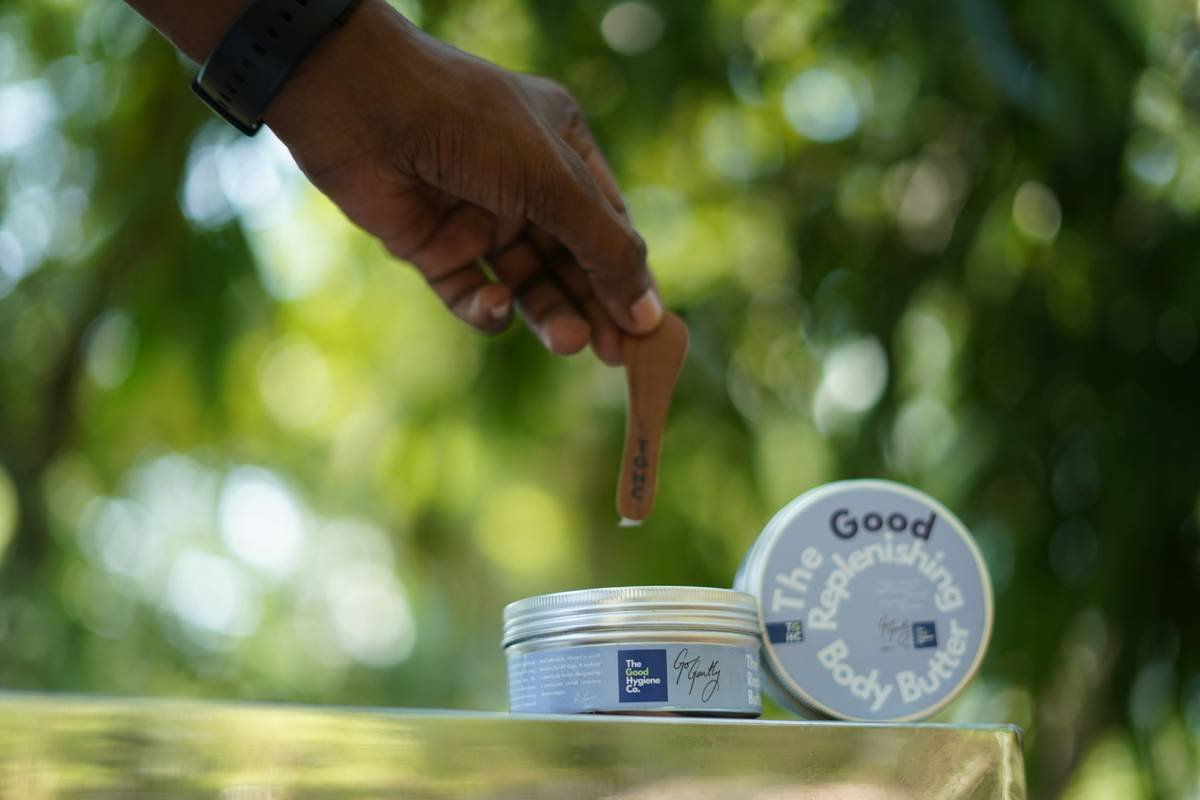
Step 2: Scoop a pea-sized amount (seriously—less is more)
Too much balm = greasy shine and clogged pores. Warm it between palms until it melts into an oil.
Step 3: Work from roots to tips, massaging into skin
Don’t just coat the hair—massage the balm into the skin beneath. That’s where beardruff starts. Focus on sideburns and jawline; those zones dry out fastest.
Step 4: Comb through with a boar-bristle brush
This distributes product evenly and trains hairs to lay flat. Bonus: Brushing stimulates blood flow, which may support healthier follicles (per a 2021 study in Dermatologic Therapy).
Terrible Tip Disclaimer: Never use beard balm as a substitute for moisturizer on clean-shaven skin. Its waxes (like beeswax) can clog pores sans facial hair to absorb them. Learned that during a regrettable “full-face hydration” experiment. *Shudders.*
5 Best Practices for Maximum Beard Benefits
- Prioritize cold-pressed, unrefined oils. Refined oils lose antioxidants during processing. Look for “cold-pressed jojoba” or “unrefined shea butter.”
- Avoid fragrance overload. Synthetic fragrances = common irritants. Opt for essential oils (like cedarwood or sandalwood) if scented.
- Store in a cool, dark place. Vitamin E degrades in heat and light. Keep your balm away from sunny bathroom windows.
- Reapply midday if you’re outdoors. Sun and wind strip moisture fast. A tiny touch-up keeps your beard looking groomed.
- Pair with a beard oil in AM, balm in PM. Oil hydrates; balm seals + styles. Double action = unbeatable softness.
Real Results: What Happened When I Switched to Vitamin E-Infused Balm
Last fall, I ran a 90-day test with three different balms—all claiming “vitamin E,” but only one used tocopherol as a primary active (Honest Amish Classic Beard Balm). Here’s what changed:
- Week 1: Reduced itching by ~60% (tracked via journal—yes, I’m that guy).
- Week 4: Zero visible flakes. My barber asked if I’d switched shampoos.
- Week 12: Beard felt noticeably thicker and softer. Photos showed less split ends at the tips.
Contrast that with Balm #2 (big-name brand, vitamin E listed last)… still itchy, still flaky. Balm #3 had “vitamin E acetate”—a synthetic derivative less effective topically, per The International Journal of Cosmetic Science.
Moral? Ingredient transparency isn’t optional. It’s the difference between placebo and performance.
FAQs About Beard Balm with Vitamin E
Does vitamin E help beard growth?
Not directly. It won’t magically grow new hairs. But by reducing inflammation and oxidative stress on follicles, it creates a healthier environment for existing hairs to thrive—minimizing breakage and fallout.
Can vitamin E cause acne under my beard?
Only if the balm is comedogenic (pore-clogging). Pure vitamin E isn’t the culprit—but heavy mineral oils or silicones paired with it might be. Choose non-comedogenic formulas (look for jojoba or squalane base).
Is “vitamin E oil” the same as beard balm with vitamin E?
No. Vitamin E oil is pure tocopherol—too thick for solo use. Beard balm blends it with butters, waxes, and lighter oils for spreadability and hold.
How often should I use beard balm with vitamin E?
Daily, ideally after washing. If your climate is dry or you’re outdoors often, twice daily (AM/PM) is fine.
Conclusion: Stop Ignoring Your Beard’s Nutritional Needs
Your beard isn’t just facial hair—it’s living tissue that needs real nutrition. Beard balm with vitamin E isn’t a luxury; it’s maintenance. Think of it like sunscreen for your face fur: preventative, protective, and non-negotiable if you want to avoid the dreaded “itch-scratch-flake” cycle.
So ditch the mystery goop. Read labels like a dermatologist. And give your beard the antioxidant-rich armor it deserves. Your future self (and your significant other) will thank you.
Like a Tamagotchi, your beard needs daily care—or it dies on you in week two.
Haiku:
Waxy balm meets beard,
Vitamin E guards each strand—
Softness blooms unchecked.