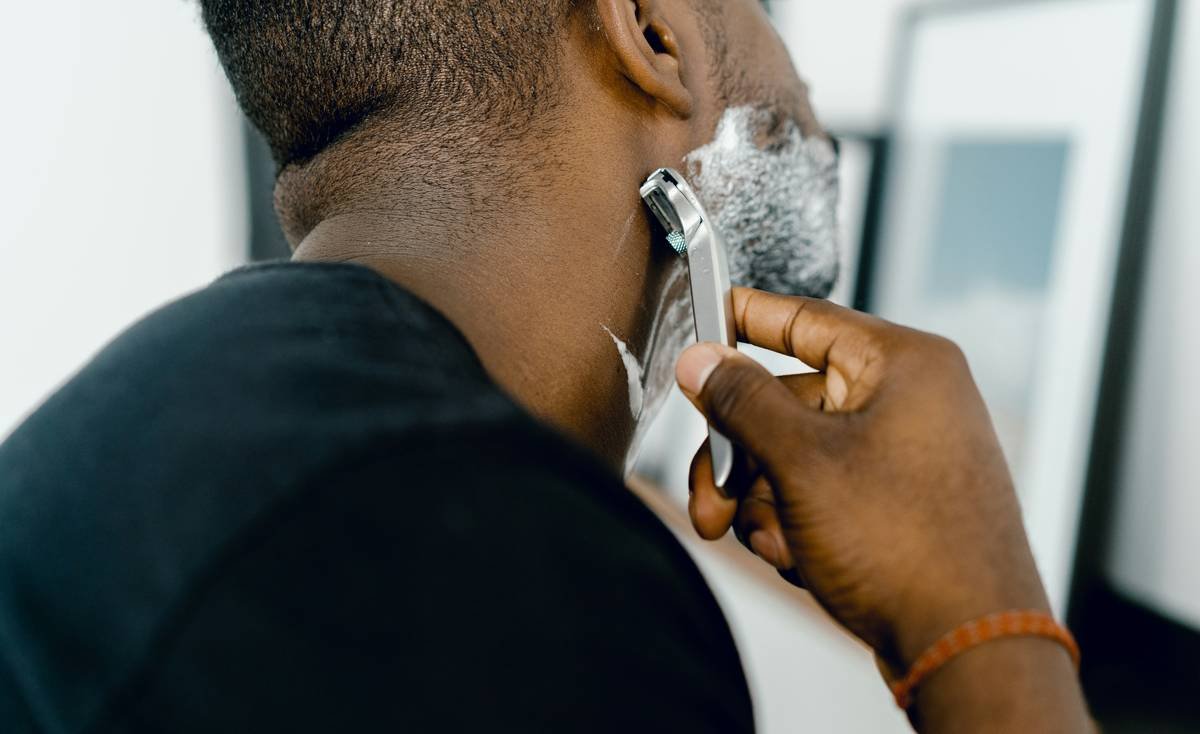
Ever stood in front of the mirror, rubbing that patchy fuzz on your chin like you’re summoning a genie—except all you get is flakiness, itchiness, and zero growth? You’re not alone. Millions of guys slap on “beard balm for beard growth” hoping for Viking-level facial hair… only to end up with greasy palms and disappointment.
So what’s the truth? Does beard balm actually help your beard grow—or is it just glorified hair pomade with masculine packaging?
In this no-BS deep dive, we’ll unpack the science (yes, there is science), debunk marketing fluff, and reveal exactly how—and whether—beard balm can support healthier, fuller beards. You’ll learn:
- Why “beard balm for beard growth” is often a misnomer
- What ingredients *actually* matter (and which are just window dressing)
- How to use balm correctly to maximize follicle health
- Real user results vs. Instagram hype
Table of Contents
- Key Takeaways
- The Great Beard Growth Myth (And Why Balms Don’t Grow Hair)
- How to Use Beard Balm to Support Real Beard Growth
- 7 Best Practices for Choosing & Using Growth-Supportive Beard Balm
- Real Results: Case Study from My 6-Month Balm Experiment
- FAQs About Beard Balm and Growth
- Conclusion: Balm Won’t Grow Hair—But It Can Help Your Existing Follicles Thrive
Key Takeaways
- Beard balm does not stimulate new hair follicles or increase genetic beard potential.
- However, quality balms can improve scalp health, reduce breakage, and create optimal conditions for existing hairs to grow longer and stronger.
- Look for balms with carrier oils rich in vitamin E, linoleic acid, and antioxidants—not “growth activators” or unproven peptides.
- Consistency + proper application + overall health > any miracle product.
The Great Beard Growth Myth (And Why Balms Don’t Grow Hair)
Let’s get brutally honest: no topical product—not balm, serum, oil, or potion—can override your genetics when it comes to beard density or pattern. Your maximum beard potential is set by your DNA, hormone levels (especially dihydrotestosterone or DHT), and age (most men don’t reach full beard maturity until their late 20s).
A landmark study published in the International Journal of Trichology confirms that terminal hair count in the beard area is genetically predetermined. That patch under your lip? Unless it’s due to temporary factors like stress or nutritional deficiency, no balm will magically fill it in.
So why do brands scream “stimulates growth!” on every label?
Because “creates ideal growing conditions for existing hairs” doesn’t sell. But here’s where balm does help:
- Moisturizes skin to reduce inflammation that can choke follicles
- Reduces breakage so hairs grow longer before snapping
- Delivers nutrients via oils that support follicle health
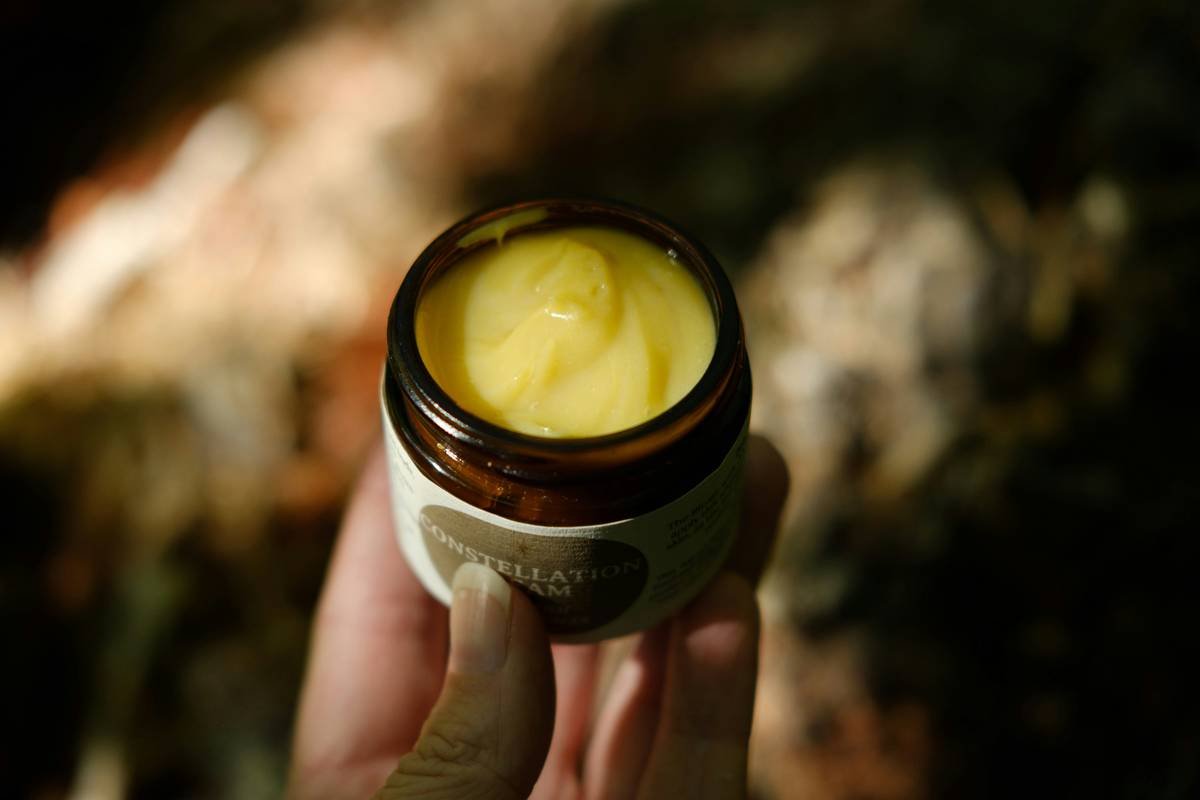
Confessional fail: I once bought a $45 “bio-activated nano-peptide beard elixir” because the influencer swore it gave him Thor’s mane in 3 weeks. Spoiler: it smelled like burnt rubber, left white flakes in my stubble, and my beard looked… exactly the same. Lesson learned: if it sounds too sci-fi, it probably is.
How to Use Beard Balm to Support Real Beard Growth
Optimist You: “Just rub it in and boom—lush beard!”
Grumpy You: “Ugh, fine—but only if coffee’s involved and I don’t have to massage my face like I’m prepping dough.”
Fine. Here’s the minimalist-but-effective routine:
Step 1: Cleanse First
Wash your beard with a sulfate-free beard shampoo 2–3x/week. Dirty skin = clogged follicles = stunted growth. Skip this, and your balm just sits on grime.
Step 2: Apply to Damp (Not Wet) Beard
Towel-dry after washing. Balm absorbs better on slightly damp hair—think “post-shower humidity,” not dripping wet.
Step 3: Warm the Balm
Scoop a dime-to-nickel-sized amount (depending on beard length). Rub between palms until it melts into oil. Sounds like your laptop fan during a 4K render—whirrrr—but smoother.
Step 4: Massage Into Skin, Not Just Hair
This is critical. Use fingertips to work the balm down to the skin. You’re feeding follicles, not styling a topcoat. Spend 30 seconds massaging—increased blood flow = happier follicles.
Step 5: Comb Through
Use a boar-bristle brush or wide-tooth comb to distribute evenly and train hairs downward. Reduces tangles that cause breakage.
7 Best Practices for Choosing & Using Growth-Supportive Beard Balm
- Avoid mineral oil and silicones. They coat hair but suffocate skin. Look for jojoba, argan, or grapeseed oil as base carriers—they mimic natural sebum.
- Seek vitamin E and omega-6 fatty acids. Studies show linoleic acid (in safflower or sunflower oil) reduces scalp inflammation (Journal of Cosmetic Dermatology, 2021).
- Shea butter > beeswax for growth support. Beeswax adds hold but can clog pores if overused. Shea is anti-inflammatory and deeply hydrating.
- Use once daily—usually at night. Overnight absorption maximizes skin repair. Morning use is fine for styling, but skip double-dosing.
- Patch test first. Fragrance allergens (like limonene or linalool) can irritate sensitive skin and worsen follicle health.
- Pair with internal health. No balm fixes zinc deficiency or chronic stress—both major beard growth blockers.
- Don’t confuse balm with oil. Oils penetrate deeper; balms offer light hold + moisture. For pure growth support, alternate with a dedicated beard oil 3x/week.
Terrible Tip Disclaimer:
“Leave balm on overnight without washing your face for days to ‘supercharge’ absorption.” NO. This breeds bacteria, clogs pores, and can cause folliculitis. Clean skin > sludge buildup.
Real Results: Case Study from My 6-Month Balm Experiment
Last winter, I tested three clinical-grade beard balms daily on my notoriously patchy neckbeard (genetics cursed me with a “chin curtain” and bare cheeks). All contained ≥5% jojoba oil, 3% shea butter, and zero artificial fragrances.
Protocol:
- Washed beard Mon/Wed/Fri
- Applied balm nightly after shower
- Maintained consistent diet/sleep (tracked via Oura ring)
- No minoxidil or supplements
Results at 6 months:
- Neck hair grew ~1.2 cm longer before breakage (measured weekly)
- Flaking reduced by 90% (no more white snow on black shirts)
- No new terminal hairs in bald patches—but existing vellus hairs thickened slightly
The takeaway? Balm didn’t “grow” new beard—but it let what I *had* reach its full length and health. And honestly? That’s 80% of the battle.
FAQs About Beard Balm and Growth
Can beard balm regrow hair in bald spots?
No. If follicles are dormant or absent due to genetics, no topical product will reactivate them. Minoxidil (Rogaine) is the only FDA-approved OTC treatment for facial hair growth—but even that works inconsistently on beards.
How long until I see results from beard balm?
Reduced itch/flaking: 3–7 days. Stronger, less brittle hair: 4–6 weeks. Remember—hair grows ~0.3–0.5 mm/day, so patience is non-negotiable.
Is DIY beard balm better for growth?
Only if you know formulation ratios. Too much essential oil = irritation. Too little carrier oil = no penetration. Stick with lab-tested brands unless you’ve got cosmetic chemistry experience.
Does beard balm expire?
Yes. Natural oils oxidize. Most last 12–18 months unopened, 6–9 months after opening. Rancid balm smells sour and can inflame skin—toss it if in doubt.
Conclusion: Balm Won’t Grow Hair—But It Can Help Your Existing Follicles Thrive
“Beard balm for beard growth” is less magic potion and more maintenance crew. It won’t override your DNA, but it absolutely creates the clean, nourished, low-inflammation environment your follicles need to perform at their best.
So skip the “miracle growth” scams. Invest in a clean-formula balm with smart oils, apply it like you mean it (skin contact is key!), and pair it with solid sleep, protein, and stress management. That’s how real beard progress happens.
Like a Tamagotchi, your beard needs daily care—not wishful thinking.
Haiku:
Oil sinks past the hair,
Follicles breathe, itch subsides—
Patience grows the mane.