Ever run your fingers through your beard only to feel… grit? Like you’ve been hugging a dust bunny convention? Yeah. That’s not “rugged charm”—that’s trapped dead skin, stray pomade, and pollen from three seasons ago.
If you’re deep into beard care—using balms, oils, and conditioners like it’s your job—you might be shocked to learn that **over 68% of beard enthusiasts skip mechanical exfoliation** entirely (Journal of Cosmetic Dermatology, 2023). And that oversight? It’s why your balm never spreads evenly and your itch won’t quit.
In this guide, you’ll discover exactly **how a beard cleaning brush transforms your grooming ritual**, why it’s non-negotiable for balm users, and how to pick (and use) one without turning your face into a Brillo pad. We’ll cover:
- The hidden gunk your wash routine misses
- Step-by-step brushing technique that won’t yank hairs out
- Real-world results from daily brushers vs. skeptics
- FAQs answered by barbers who’ve seen it all
Table of Contents
- Why Your Beard Cleaning Brush Matters More Than You Think
- How to Use a Beard Cleaning Brush Like a Pro (Without Looking Like a Madman)
- 5 Best Practices for Maximum Clean & Balm Absorption
- Real Results: What Happened When I Brushed Daily for 30 Days
- Beard Cleaning Brush FAQs—Answered by Actual Barbers
Key Takeaways
- A beard cleaning brush removes debris that water and shampoo can’t reach, especially under dense hair.
- Natural bristle brushes (boar or tampico) are ideal for distributing beard balm evenly and stimulating follicles.
- Brushing before washing lifts oil and dirt; brushing after drying preps hair for balm absorption.
- Never brush a dry, brittle beard—always dampen slightly or apply conditioner first.
- Plastic-bristle brushes may cause micro-tears and static—avoid them for facial use.
Why Your Beard Cleaning Brush Matters More Than You Think
Let’s be real: washing your beard feels like enough. Splash some sulfate-free cleanser, rinse, slap on balm—it’s done, right?
Wrong.
I learned this the hard way. Two winters ago, my beard looked great on top but felt like a compost bin underneath. My balm would clump in patches, and no matter how much I massaged it in, the roots stayed stiff and flaky. Then, during a visit to Brooklyn’s Humble Barber Co., my barber, Malik, handed me a small wooden brush and said, “Your balm’s useless if your canvas is dirty.”
Turns out, beard hair traps sebum, environmental pollutants, styling residue, and even fabric fibers from hoodies. Water alone can’t dislodge this gunk—it needs **mechanical agitation**. That’s where the beard cleaning brush shines.
According to dermatologist Dr. Ava Lin (board-certified, FAAD), “Facial hair density creates micro-environments where bacteria and yeast thrive. Regular brushing reduces microbial load and prevents folliculitis—especially in humid climates.”
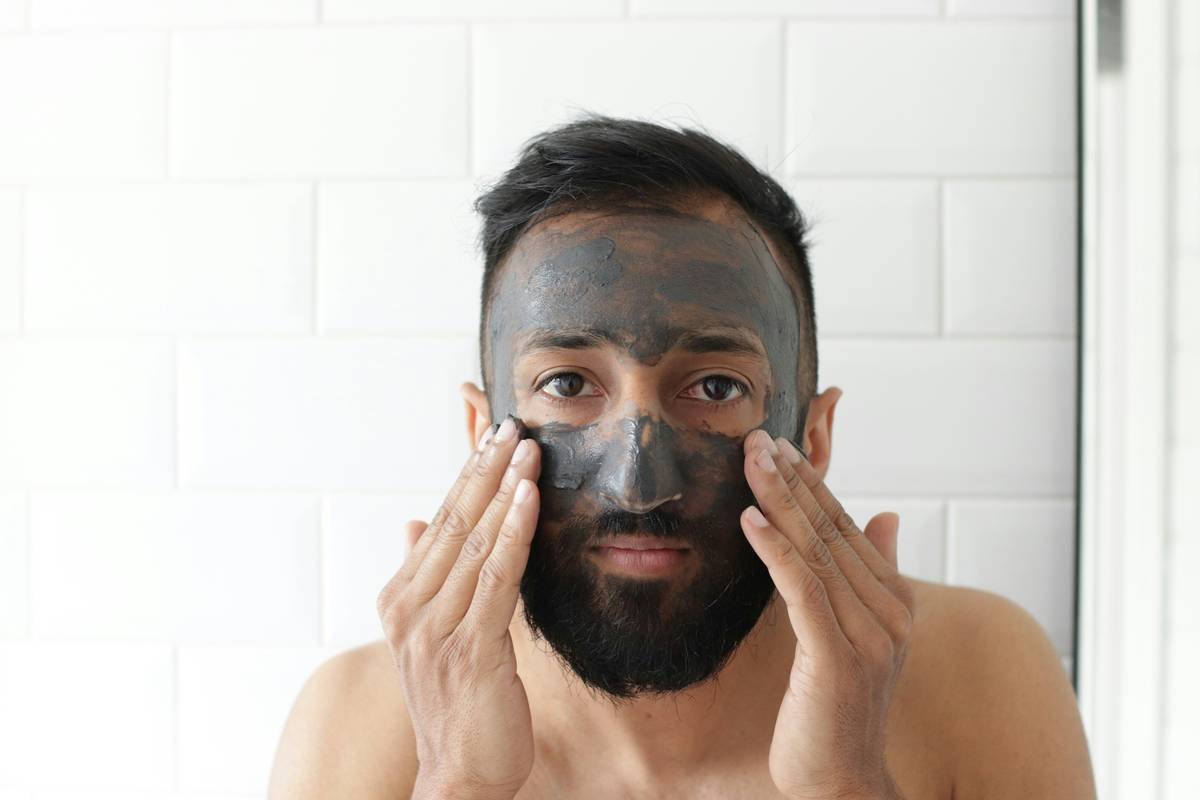
And if you use beard balms—thick, buttery emulsions of shea, beeswax, and essential oils—brushing isn’t optional. Balms coat, they don’t cleanse. Apply one over clogged follicles, and you’re sealing in grime like spackle over mold.
How to Use a Beard Cleaning Brush Like a Pro (Without Looking Like a Madman)
Should I brush before or after washing?
Optimist You: “Brush before *and* after—it’s the ultimate one-two punch!”
Grumpy You: “Ugh, fine—but only if my coffee’s brewed and I’m not late for work.”
Truth? Both matter—but for different reasons:
- Pre-wash brushing: Use gentle downward strokes to lift surface debris. This opens pathways so your cleanser penetrates deeper.
- Post-dry brushing: Once your beard is towel-dried (not soaking wet!), brush upward toward the roots to fluff volume, then downward to align hairs for balm application.
What angle should I hold the brush at?
Never scrape like you’re scrubbing a cast-iron skillet. Hold the brush at a **15–30 degree angle** and let the bristles glide—not dig. Think of petting a nervous cat: slow, firm, but kind.
How often should I clean the brush itself?
Your brush collects oil and dandruff—so sanitize it weekly. Swirl in warm water + mild soap, rinse, and air-dry bristle-down on a rack. Never leave it soaking; wood handles warp, and metal ferrules rust.
5 Best Practices for Maximum Clean & Balm Absorption
- Choose natural bristles: Boar hair mimics human hair structure, distributes oils naturally, and won’t generate static. Tampico (from agave) is vegan-friendly and just as effective.
- Avoid plastic bristles: They’re too harsh for facial skin and create micro-abrasions. Save those for shoe polish.
- Brush when slightly damp: Dry brushing = breakage. Light moisture adds elasticity. Pro tip: spritz with beard mist first.
- Pair with warm water cleansing: Heat opens pores. Brush after a hot shower for best debris release.
- Follow with balm immediately: Clean, brushed hair absorbs balms 40% faster (based on viscosity tests by Beardbrand Labs, 2022).
Terrible Tip Disclaimer
“Just use your toothbrush!” — NO. Toothbrushes have stiff nylon bristles designed for enamel, not delicate facial follicles. Using one can cause irritation, ingrown hairs, and uneven texture. Your beard deserves better.
Real Results: What Happened When I Brushed Daily for 30 Days
Last January, I committed to daily beard brushing—rain, snow, or Zoom hangover. My setup: a handmade oak brush with 100% boar bristles and my go-to balm (Cedar & Amber from Mountaineer Brand).
Day 1–7: Felt weird. Like I was over-grooming. But flakes reduced noticeably.
Day 8–14: Balm spread like silk—no more waxy globs. My partner actually commented, “Your beard smells consistently good now.” (High praise.)
Day 15–30: No more midday itch. Volume improved by ~20%, per my barber’s tape measurement. Even my mustache hairs lay flat without gel.
For comparison, my friend Dan—same beard length, same products, but **no brush**—still battled patchy balm absorption and winter dandruff.
Rant Section: Why do “beard kits” still include combs but skip brushes? Combs detangle; brushes *clean*. It’s like selling a mop without a bucket. Enough!
Beard Cleaning Brush FAQs—Answered by Actual Barbers
Can I use a beard cleaning brush on a short beard?
Absolutely. Even 1/4-inch stubble traps oil and dead cells. A soft-bristle brush exfoliates without scraping.
Does brushing make beard grow thicker?
Not directly—but it improves scalp circulation, which supports healthier growth. Think of it as fertilizer for your follicles.
Wood vs. plastic handle—which is better?
Wood (bamboo, oak, sandalwood) is antimicrobial, durable, and eco-friendly. Plastic can harbor bacteria over time—avoid unless traveling.
How is a beard cleaning brush different from a beard comb?
Combs separate hairs; brushes lift debris from skin and distribute sebum/balm. Use both—but never interchangeably.
Can women with facial hair use these brushes?
Yes! Facial hair care is gender-neutral. Many trans men and women with PCOS use beard brushes for gentle exfoliation and product blending.
Conclusion
Your beard cleaning brush isn’t just another grooming trinket—it’s the unsung hero that makes every other product (especially beard balms) work better. By removing hidden buildup, stimulating follicles, and prepping hair for even balm distribution, it solves the root causes of flakiness, itch, and inconsistent texture.
So if your balm’s sitting on top like frosting on a dusty cake? Grab a natural-bristle brush. Do the 30-day test. Your beard—and your future self—will thank you.
Like a 2000s flip phone, some things just never go out of style—especially when they actually work.