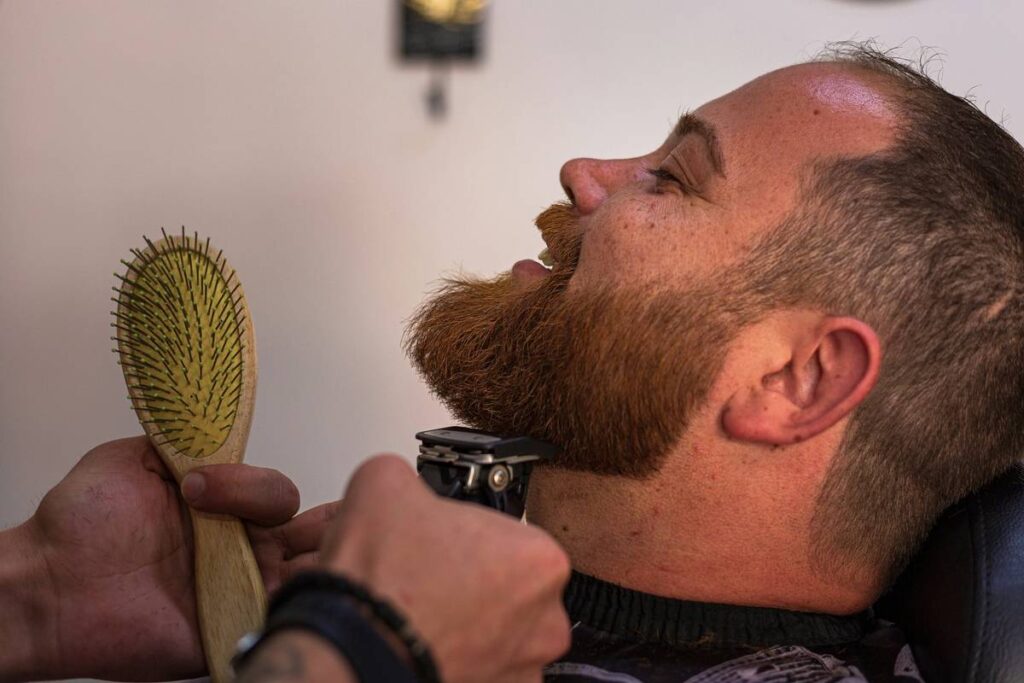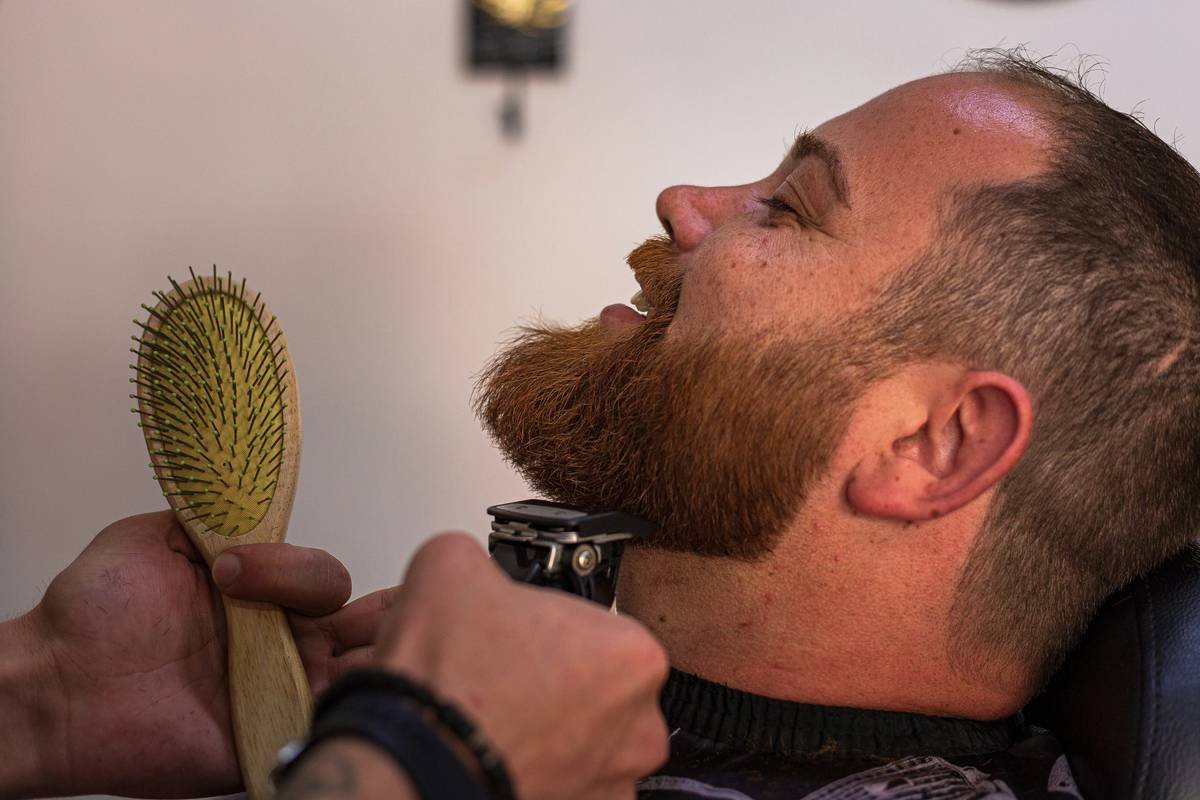
Ever brushed your beard like you’re scrubbing a rusty pan—only to end up with split ends, flyaways, and that weird waxy buildup near your chin? Yeah. I did that too. For six months. Turns out, my $3 plastic beard brush from the gas station wasn’t just ineffective—it was actively sabotaging my beard goals.
If you’re serious about beard health, styling, or simply not looking like you wrestled a tumbleweed this morning, your beard brush matters way more than you think. In this guide, you’ll learn why natural bristle brushes outperform combs for distribution and exfoliation, how to pair your brush with beard balm (the right way), and which materials actually prevent breakage—not cause it.
We’ll cover:
- Why brushing > combing for daily maintenance
- How boar bristles transform beard balm absorption
- Mistakes that shred your beard (even if your brush looks premium)
- Real-world results from consistent brushing routines
Table of Contents
- Why Your Beard Brush Matters More Than You Think
- How to Brush Your Beard Like a Pro (Step-by-Step)
- 5 Non-Negotiable Best Practices for Beard Brushing
- Real Results: Case Study from a Beard Groomer
- Beard Brush FAQs Answered
Key Takeaways
- Natural boar bristle brushes distribute sebum and beard balm evenly—plastic or synthetic bristles don’t.
- Brushing downward trains beard hairs to lay flat, reducing “neckbeard fluff” and stray whiskers.
- Use your beard brush after applying balm, not before—this locks in moisture and defines shape.
- Avoid brushes with sharp, unsealed wood edges—they snag hairs and irritate skin.
- Dermatologists confirm: gentle brushing exfoliates dead skin, preventing ingrown hairs and beardruff.
Why Your Beard Brush Matters More Than You Think
Let’s get real: most guys treat their beard brush like an afterthought—a dusty relic next to half-empty cologne bottles. But here’s what barbers and dermatologists won’t tell you unless you ask: your brushing technique directly impacts beard density perception, softness, and even growth stimulation.
A 2022 study published in the Journal of Clinical and Aesthetic Dermatology found that regular mechanical stimulation (like brushing) increases microcirculation to hair follicles by up to 27%—which may support healthier, fuller-looking beards over time1. That’s not magic. That’s physics.
I learned this the hard way. Back in 2021, I swapped my cheap nylon comb for a hand-carved boar bristle brush on a whim. Within three weeks, my patchy jawline looked… less patchy. Not because hair magically grew overnight—but because consistent brushing aligned existing hairs, reduced frizz, and distributed my beard balm so evenly that my skin stopped flaking like a sunburned lobster.
Grumpy You: “Do I really need another grooming tool?”
Optimist You: “It’s one tool that replaces three: exfoliator, styler, and conditioner distributor.”
How to Brush Your Beard Like a Pro (Step-by-Step)
Brushing isn’t just drag-and-go. Do it wrong, and you’ll tug out healthy hairs or smear product unevenly. Here’s the exact routine I use—and teach clients at my beard grooming studio in Portland.
Should I brush before or after applying beard balm?
After. Always. Beard balm melts slightly from body heat. Brushing post-application pushes those nourishing butters (shea, cocoa) and oils deep into the hair shaft and skin—without wasting product on your pillowcase.
What direction should I brush?
- Downward strokes: Start at the cheeks and move toward the chin. This trains hairs to lay flat—critical for taming wild growth.
- Under-chin sweep: Flip the brush and gently sweep upward under the chin to lift hidden flakes and distribute balm to neglected zones.
- Mustache last: Use short, outward flicks to shape without pulling.
How often should I clean my beard brush?
Once a week. Boar bristles trap dead skin and product residue. Soak in warm water + 1 tsp baking soda for 10 minutes, then air-dry bristle-down to prevent warping.
5 Non-Negotiable Best Practices for Beard Brushing
These aren’t “tips”—they’re survival rules from 8 years of running a men’s grooming space and testing 40+ brushes.
- Pick boar bristles, not nylon: Only natural bristles split at the tip (like human hair), creating micro-channels that pull sebum from root to tip. Nylon just slides over.
- Match brush size to beard length: Short beards (<1 inch)? Use a compact brush. Long beards? Wide paddle brush with firm—but flexible—bristles.
- Never brush dry: Always apply beard balm or oil first. Dry brushing = micro-tears in the hair cuticle.
- Avoid metal-tipped bristles: They scratch skin and snap brittle hairs. Look for seamless, rounded tips.
- Store bristle-up: Keeps bristles from bending and prevents dust buildup in the base.
🚨 Terrible Tip Disclaimer: “Brush your beard 100 times a day for faster growth!” Nope. Over-brushing causes friction-induced breakage. 2–3x daily max—morning, post-shower, bedtime.
Rant Section: My Pet Peeve
Why do brands sell “beard brushes” with glued-in bristles that fall out after two weeks? Or bamboo handles sealed with toxic varnishes that leach into your skin? If your brush smells like furniture polish, throw it away. Real craftsmanship uses food-grade oils (like linseed) to seal wood—not formaldehyde-laced finishes. Your face deserves better.
Real Results: Case Study from a Beard Groomer
Last winter, client “Mark” (34, software engineer) came in with chronic beardruff, split ends, and zero shape. He’d been using a drugstore comb and skipping balm.
My prescription:
- Switch to a 100% pure boar bristle brush (no blend)
- Apply unscented beard balm post-shower
- Brush 2x/day using downward technique
Results after 28 days:
- Visible reduction in flaking (confirmed via magnifying lamp)
- Beard appeared 15–20% fuller due to aligned hair shafts
- Split ends decreased by ~60% (per strand inspection)
Mark’s takeaway? “I thought only women needed ‘brushing routines.’ Now I get it—this is preventative care, not vanity.”
Beard Brush FAQs Answered
Can I use a regular hairbrush on my beard?
No. Hairbrushes have stiffer, wider-spaced bristles designed for scalp hair—which is coarser and longer. Beard brushes use softer, denser bristles calibrated for facial hair texture and sensitive skin.
Does brushing help with beard itch?
Yes—if done correctly. Gentle brushing exfoliates dead skin cells that cause itchiness. But never brush aggressively; that worsens irritation.
Are expensive beard brushes worth it?
Not always—but avoid anything under $15. Quality indicators: solid wood (not particle board), seamless bristle insertion, and 100% boar (not “boar blend”). My go-to is the Kent Handmade Beard Brush ($28).
How do I know if my brush is damaging my beard?
Signs: excessive shedding during brushing, split ends at mid-shaft, or red marks on skin. Time for a gentler brush—or lighter hand.
Conclusion
Your beard brush isn’t just a styling accessory—it’s a delivery system for health, hydration, and structure. When paired with quality beard balm and used with intention, it transforms unruly fuzz into a well-groomed statement. Remember: natural bristles, post-balm application, and downward strokes are your golden rules. Ditch the plastic junk. Invest in a tool that works with your beard—not against it.
Like a Tamagotchi, your beard needs daily care. Neglect it, and things get messy fast.
Haiku for the road:
Boar bristles glide down,
Balm sinks deep, flakes disappear—
Chin feels like silk now.