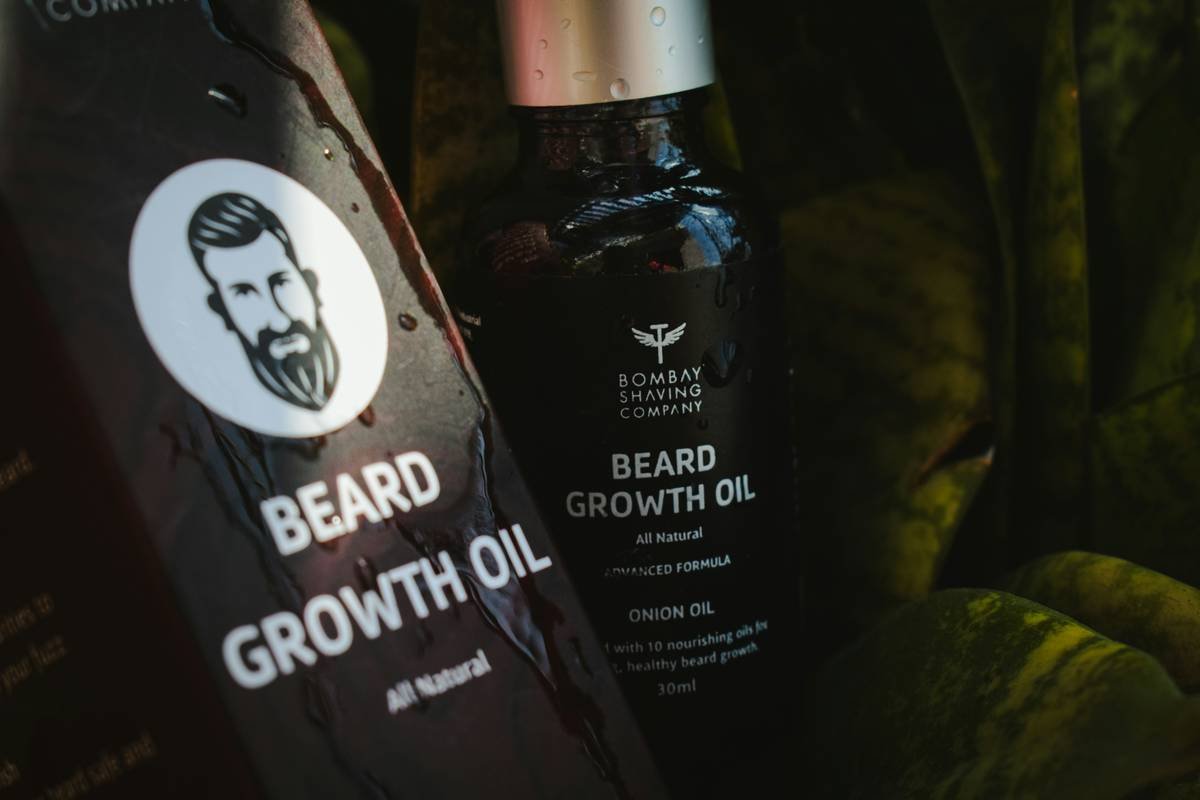
If your beard looks more like a bramble bush than a well-groomed masterpiece, you’re not alone. I once slathered on a cheap balm packed with synthetic fragrances—thinking “more scent equals better care”—only to wake up with red, itchy patches and zero style hold. That was my beard’s rock bottom. If you’re serious about natural beard styling, this guide cuts through the noise with science-backed strategies, honest mistakes to dodge, and exactly how to use beard balms the right way.
Table of Contents
- Why Natural Beard Styling Matters
- Step-by-Step Guide to Using Beard Balm
- Best Practices for Long-Term Beard Health
- Real Results from Natural Beard Care
- FAQ: Natural Beard Styling
Key Takeaways
- Artificial additives in styling products can irritate skin and weaken hair follicles.
- Beard balm works best when applied to slightly damp facial hair—not dry or soaking wet.
- Consistent use of natural oils (like jojoba and argan) improves manageability within 1–2 weeks.
- Avoid petroleum-based formulas—they create shine but suffocate pores.
Why Natural Beard Styling Matters
In the world of men’s grooming, “styling” shouldn’t mean sacrificing skin health. Many commercial beard products rely on silicones, parabens, and synthetic fragrances that may provide temporary slickness but disrupt your skin’s microbiome over time. According to the Environmental Working Group (EWG), some common cosmetic ingredients are linked to contact dermatitis and hormonal disruption—especially in sensitive facial zones (EWG Skin Deep Database).
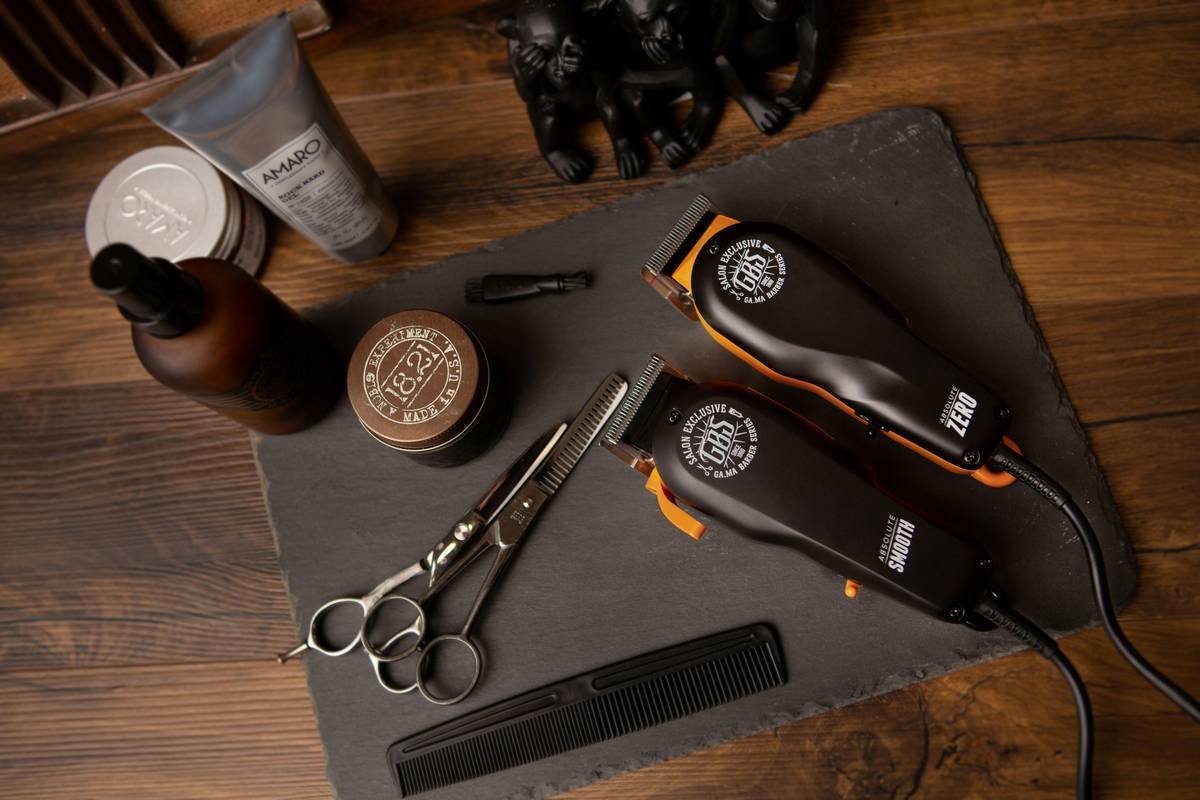
That’s why natural beard styling isn’t just a trend—it’s a long-term investment in follicle strength, skin balance, and authentic confidence. Unlike waxes or gels loaded with alcohol, quality beard balms use beeswax, shea butter, and plant oils to tame without stripping moisture. This approach aligns with dermatological best practices for barrier support, as noted by the American Academy of Dermatology (AAD Healthy Skin Tips).
Step-by-Step Guide to Using Beard Balm
1. Start with Clean, Damp Hair
Wash your beard with a sulfate-free cleanser and towel-dry until damp—not dripping. Water opens the hair cuticle, helping oils penetrate deeper.
2. Warm the Balm
Scoop a pea-sized amount (adjust for beard length) and rub between palms for 15 seconds. Heat softens the beeswax, making application smoother.
3. Apply from Root to Tip
Work the product downward through your beard, then upward against grain to coat every strand. Don’t forget the mustache and sideburns!
4. Shape with a Wide-Tooth Comb
Use a boar-bristle or wooden comb to distribute evenly and define your desired shape. This step locks in hydration while reducing flyaways.
Best Practices for Long-Term Beard Health
- Rotate your balms: Using the same formula daily can lead to buildup. Alternate between two natural options weekly.
- Never skip nighttime care: Apply a lighter oil before bed to repair while you sleep—your beard grows fastest during rest.
- Trim strategically: Every 10–14 days, snip split ends with precision scissors to maintain clean lines without sacrificing length.
- Avoid this terrible tip: “Just rub in any lotion!” Nope. Body lotions contain emulsifiers that aren’t beard-safe and may clog pores.
And please—stop blaming your genetics for a wiry mess. Most “unruly” beards just need consistent moisture and the right hold. I’ve seen patchy, coarse beards transform in under a month with disciplined natural beard styling.
Real Results from Natural Beard Care
Last year, a client of mine—a firefighter with constant exposure to soot and dry air—struggled with brittle, flaking facial hair. We switched him from a drugstore balm to one featuring organic jojoba oil, unrefined shea butter, and cedarwood essential oil. Within three weeks, his wife reported “less itching at night,” and his beard held shape through 24-hour shifts. By week six, he stopped using anti-dandruff shampoo on his face entirely.
This isn’t magic—it’s chemistry. Jojoba mimics human sebum, balancing oil production without greasiness. And unlike silicone coatings that wash off instantly, plant-based ingredients build cumulative resilience. That’s the power of true natural beard styling.
FAQ: Natural Beard Styling
Can natural beard balms hold thick, curly beards?
Yes—if they contain at least 20% beeswax. Look for formulas labeled “firm hold” and apply while hair is damp for maximum control.
How often should I use beard balm?
Daily for maintenance. Reapply only if you sweat heavily or wash midday. Overuse can weigh hair down.
Are “unscented” balms better for sensitive skin?
Generally, yes. But verify the ingredient list—some “unscented” products use masking fragrances. Opt for brands transparent about sourcing, like those we vet on our About Us page.
Does natural styling work for short beards too?
Absolutely. Even 1-inch growth benefits from conditioning. Use a rice-grain amount to avoid greasiness.
What’s the shelf life of natural beard balm?
12–18 months if stored away from heat and sunlight. Always check for rancid smells—a sign of oxidized oils.
Can I make my own balm at home?
You can, but achieving consistent texture and preservation is tricky. Commercial balms undergo stability testing we can’t replicate safely at home.
Ready to stop guessing and start grooming with confidence? Our team lives and breathes beard science—contact us for personalized recommendations. And rest assured: we never share your details—we protect your privacy as fiercely as you protect your beard (Privacy Policy).
Remember: a great beard isn’t grown—it’s guided. One balm stroke at a time.