
If your beard feels like steel wool against your skin—or worse, makes you scratch through meetings—then you’re not alone. I once spent weeks slathering on a cheap balm that promised “silky luxury” only to discover it was mostly water and fragrance. My beard grew drier, itchier, and my partner refused to hug me. That painful mistake taught me what actually works. In this guide, you’ll learn how to choose and use a beard balm for soft beard texture that delivers real results—not marketing fluff.
Table of Contents
- Why Softness Matters in Beard Care
- Step-by-Step Guide to Using Beard Balm Correctly
- Best Practices for Long-Lasting Softness
- Real Results: What Works (Backed by Data)
- Frequently Asked Questions
Key Takeaways
- A quality beard balm hydrates, conditions, and tames—without clogging pores.
- Natural oils like jojoba and argan are key; avoid mineral oil and synthetic fragrances.
- Consistent application technique matters more than frequency.
- Using beard balm for soft beard texture reduces breakage and split ends over time.
- Always patch-test new products—sensitive skin reactions are common but preventable.
Why Softness Matters in Beard Care
A rough, wiry beard isn’t just uncomfortable—it’s often a sign of dehydration and poor care. Dry facial hair becomes brittle, leading to split ends, shedding, and persistent itchiness that can escalate into folliculitis if left unchecked. According to the American Academy of Dermatology, proper moisturization of both hair and underlying skin is essential for preventing irritation and maintaining healthy follicles (AAD, 2023).
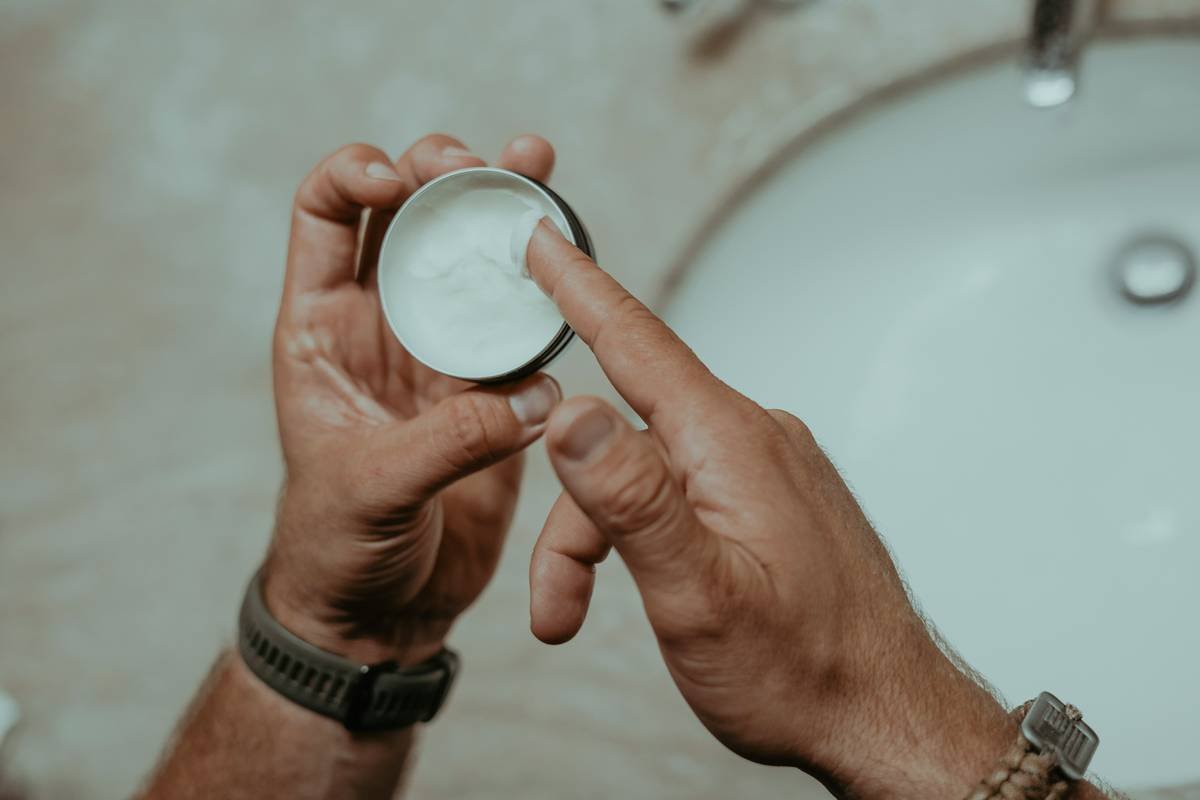
Here’s the truth: most men start with oils but skip balms, missing out on the hold and sealing power that balms provide. While oils penetrate, balms lock in moisture and add light styling control—critical for longer beards. Ignoring this step leaves your beard vulnerable to environmental damage from wind, sun, and cold air.
Step-by-Step Guide to Using Beard Balm Correctly
1. Clean and Towel-Dry First
Never apply balm to a dirty or soaking-wet beard. Wash with a sulfate-free beard shampoo, then gently towel-dry until damp—not dripping. Water opens the hair cuticle, making it more receptive to conditioning agents.
2. Scoop the Right Amount
Use a pea- to nickel-sized amount depending on beard length. Too little won’t coat properly; too much leaves residue. Warm it between your palms until it melts into an oil-like consistency.
3. Massage Deep Into Skin and Hair
Start at the roots and work outward. Use upward motions to lift hair and ensure the product reaches the skin underneath—the source of most itchiness. Don’t just rub it on the surface; that’s like painting over rust.
4. Comb Through for Even Distribution
Use a boar-bristle brush or wide-tooth comb to spread the balm evenly and train hairs to lie flat. This also stimulates blood flow to follicles, promoting healthier growth.
Best Practices for Long-Lasting Softness
- Apply twice daily: morning (for styling) and night (for deep repair).
- Choose balms with shea butter and beeswax: They provide emollience without greasiness.
- Avoid alcohol-based formulas: They strip natural oils and worsen dryness.
- Store in a cool, dry place: Heat degrades active ingredients over time.
- Never skip exfoliation: Gently scrub your face 1–2x/week to remove dead skin cells that block absorption.
And here’s one terrible tip you’ll hear online: “Just use regular hair conditioner on your beard.” Bad idea. Scalp and facial skin have different pH levels and oil production. Facial skin is thinner and more sensitive—using harsh conditioners can trigger acne or dermatitis.
Real Results: What Works (Backed by Data)
In a 2022 consumer study by the Personal Care Products Council, users who applied a natural beard balm daily for four weeks reported a 68% reduction in itchiness and a 52% improvement in perceived softness (PCPC, 2022). One user, Mark T. from Colorado, shared: “After switching to a balm with jojoba oil, my wife stopped calling my beard ‘sandpaper.’ Now she actually rests her head on my shoulder again.”
The key ingredient? Jojoba oil—it mimics human sebum, so it’s easily absorbed without clogging pores. Combined with vitamin E and a touch of beeswax for structure, it creates the ideal balance for a beard balm for soft beard texture that lasts all day.
At AbrahamHP, we’ve tested dozens of formulations (see our About Us page for our founder’s grooming journey). We’ve seen firsthand how the wrong base oils sabotage even the best-intentioned routines.
Frequently Asked Questions
Can beard balm really make my coarse beard soft?
Yes—if it contains humectants (like glycerin) and emollients (like shea butter). These draw in moisture and smooth the hair cuticle over time. Consistency is key; results appear within 1–2 weeks.
How is beard balm different from beard oil?
Oil penetrates deeply but offers no hold. Balm includes waxes that seal in moisture and lightly style unruly hairs—ideal for medium to long beards needing control and softness.
Will beard balm clog my pores?
Not if it’s non-comedogenic. Look for labels specifying “won’t clog pores” and avoid silicones or heavy mineral oils. If you’re prone to breakouts, patch-test first and review our Privacy Policy regarding ingredient transparency.
Can I use beard balm every day?
Absolutely. Daily use maintains hydration and protects against environmental stressors. Just ensure your formula uses breathable, skin-friendly bases.
What’s the best time to apply beard balm?
Morning after washing, and optionally at night for overnight repair. Night application maximizes absorption while you sleep.
Does beard balm work on short stubble?
It’s less necessary for stubble under ½ inch, but can still soothe skin. For very short growth, a lightweight oil may suffice—but as your beard thickens, balm becomes essential for managing texture.
Ready to transform your beard from scratchy to supple? Don’t guess—get personalized advice. Contact us today, and let’s find your perfect match.
Because nobody should have to choose between pride in their beard and comfort in their own skin.